

Welcome to this week’s edition of AImpulse, a five point summary of the most significant advancements in the world of Artificial Intelligence.
Here’s the pulse on this week’s top stories:
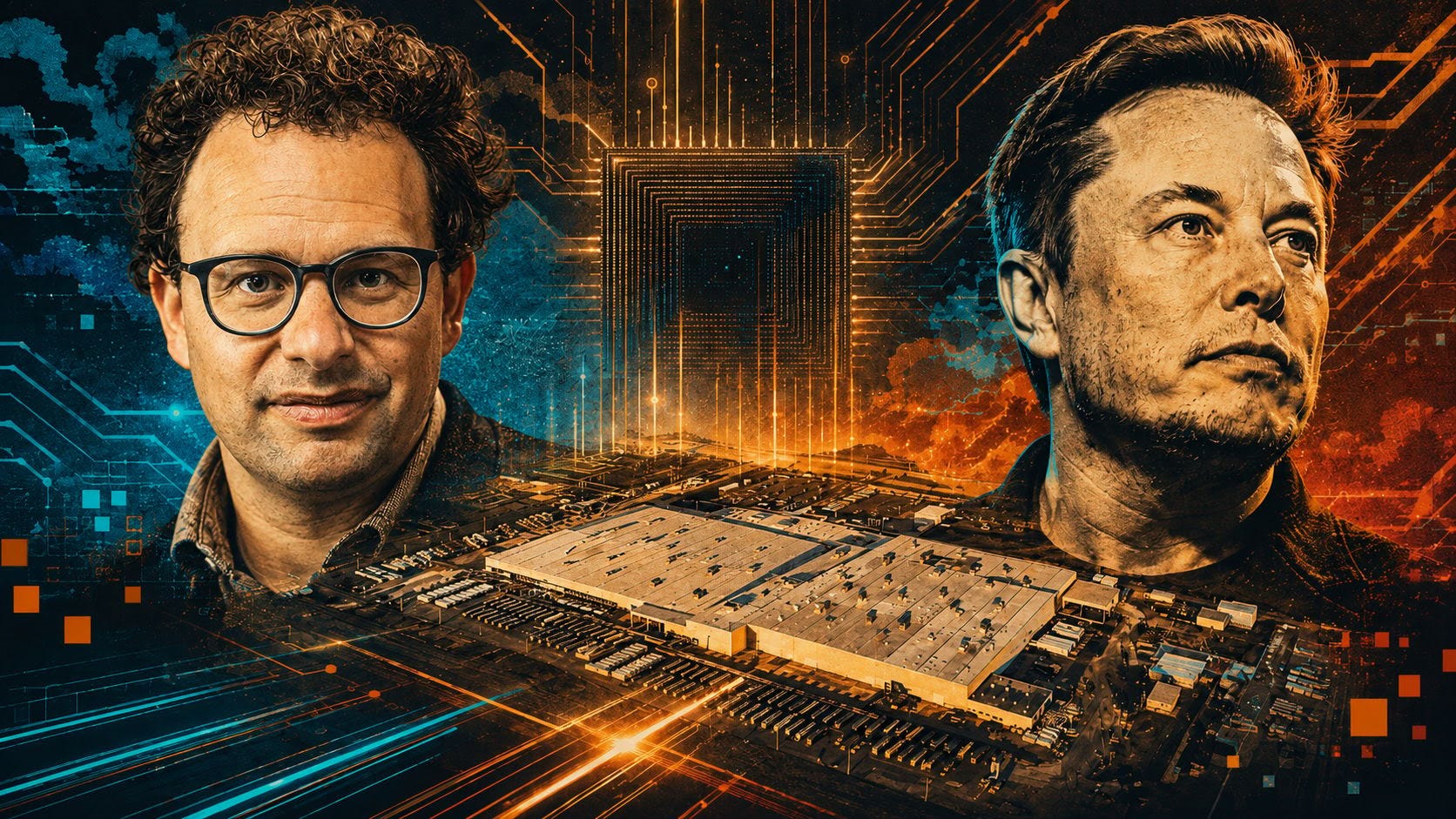
Anthropic leases SpaceX’s Colossus 1
What’s happening:
Anthropic signed a major compute lease with SpaceX for Colossus 1, giving Claude a major infrastructure boost. The deal also puts Elon Musk and Anthropic on the same side months after Musk publicly criticized the company.
Details:
Anthropic will lease all of Colossus 1, a 300+ MW supercluster in Memphis.
More than 220,000 Nvidia GPUs are expected to come online within the month.
Claude Code’s 5-hour usage caps are doubling across paid tiers, with more API capacity and no peak-hour restrictions.
Musk said SpaceX will rent compute to AI companies that are “taking the right steps” to ensure AI benefits humanity.
Why it matters:
The deal helps Anthropic address one of its biggest bottlenecks: compute capacity. It also shows SpaceXAI positioning itself as both a frontier AI contender with Grok and an infrastructure provider to other leading AI labs.

Mira Murati testifies in Musk’s OpenAI lawsuit
What’s happening:
Former OpenAI CTO Mira Murati testified in Elon Musk’s lawsuit against OpenAI, accusing Sam Altman of misleading her about a model safety review. She also described internal leadership dysfunction during the period around Altman’s 2023 firing.
Details:
Murati said Altman told her OpenAI’s legal team had cleared a model to skip safety review, which she later said was false.
She said Altman gave conflicting instructions to different executives, undermining her authority as CTO.
Murati briefly served as interim CEO during Altman’s 2023 ouster.
Former board member Helen Toner also testified, reportedly criticizing Murati’s willingness to challenge leadership.
Why it matters:
Murati’s testimony could strengthen Musk’s broader argument that OpenAI’s leadership acted deceptively or irresponsibly. But whether it supports Musk’s specific legal claims about OpenAI’s founding mission and corporate restructuring remains for the jury to decide.

3. OpenAI reportedly accelerates AI phone timeline
What’s happening:
OpenAI is reportedly moving faster on its first AI phone, now targeting mass production in the first half of 2027. That would put the device about a year ahead of prior expectations.
Details:
Analyst Ming-Chi Kuo says the faster timeline may be tied to OpenAI’s IPO plans and rising competition in AI hardware.
The phone’s key feature is expected to be an advanced image signal processor with improved HDR for real-world visual sensing.
MediaTek is reportedly positioned as the sole chip supplier.
The device may use two AI processors to handle vision and language tasks at the same time.
Why it matters:
A dedicated AI phone could give OpenAI more control over the hardware and operating system layer needed for truly agentic mobile experiences. It also raises questions about how this project relates to OpenAI’s Jony Ive/io device effort, which was framed as a move beyond traditional screens.
Anthropic launches finance and insurance AI agents
What’s happening:
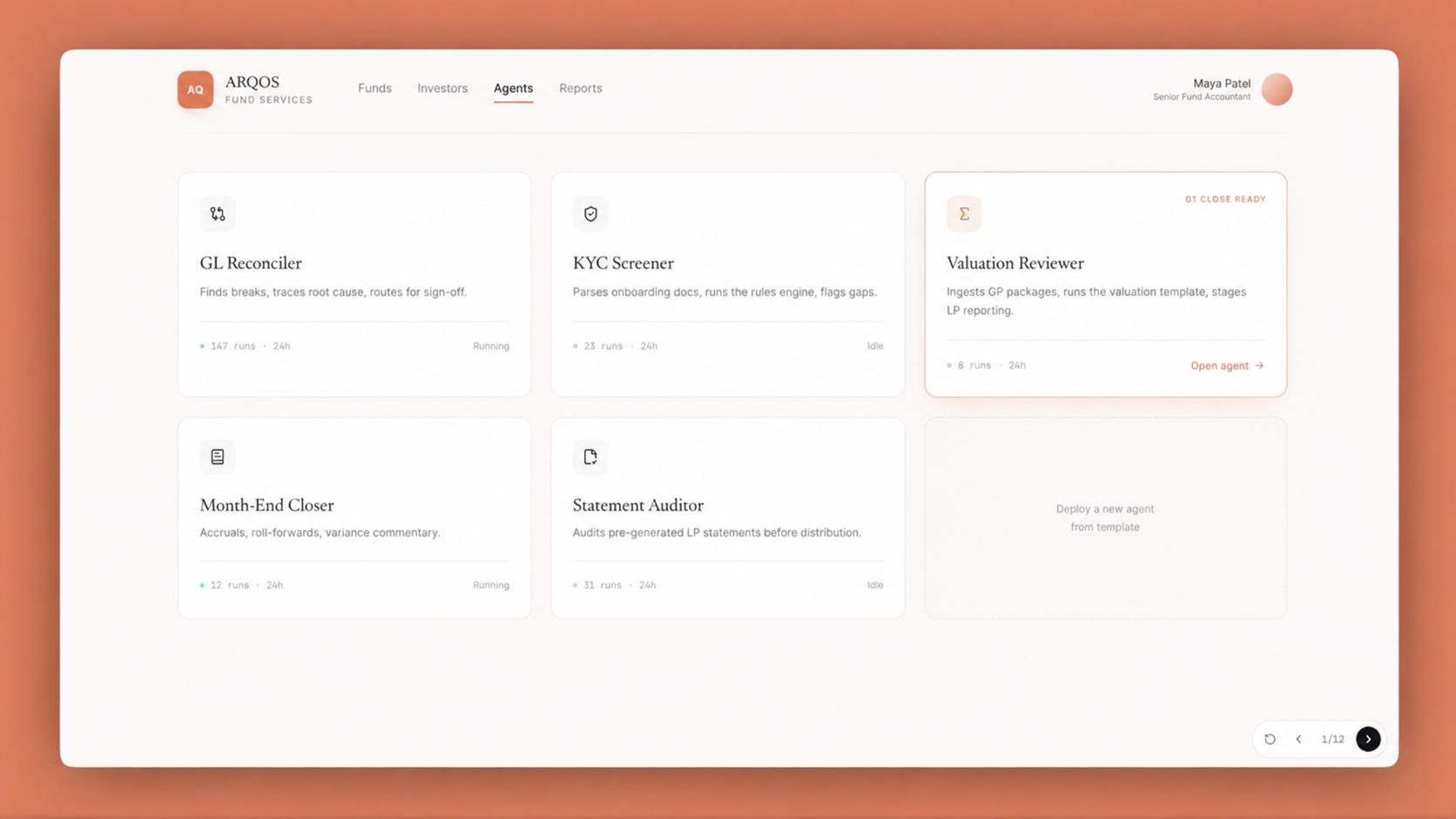
Anthropic introduced 10 ready-to-run AI agents for financial services and insurance. The agents are designed to handle specialized workflows like pitchbook creation, KYC screening, earnings analysis, and valuation review.
Details:
Each agent includes domain-specific instructions, data connectors, and supporting Claude models for sub-tasks.
Firms can adapt the agents to their own modeling standards, risk policies, and approval processes.
The agents can run through Claude Cowork, Claude Code, or as Managed Agents on Anthropic’s platform.
Claude is also getting a Microsoft 365 add-in and new data connectors from Dun & Bradstreet, Verisk, IBISWorld, and others.
Why it matters:
Anthropic is increasingly selling verticalized AI systems rather than leaving companies to build workflows around a general-purpose model. Finance and insurance are high-value, process-heavy markets, making them natural targets in Anthropic’s race with OpenAI.
Panthalassa raises $140M for wave-powered ocean compute
What’s happening:
Panthalassa raised a $140 million Series B led by Peter Thiel to build autonomous, wave-powered floating compute structures. The Oregon startup is reportedly now valued near $1 billion.
Details:
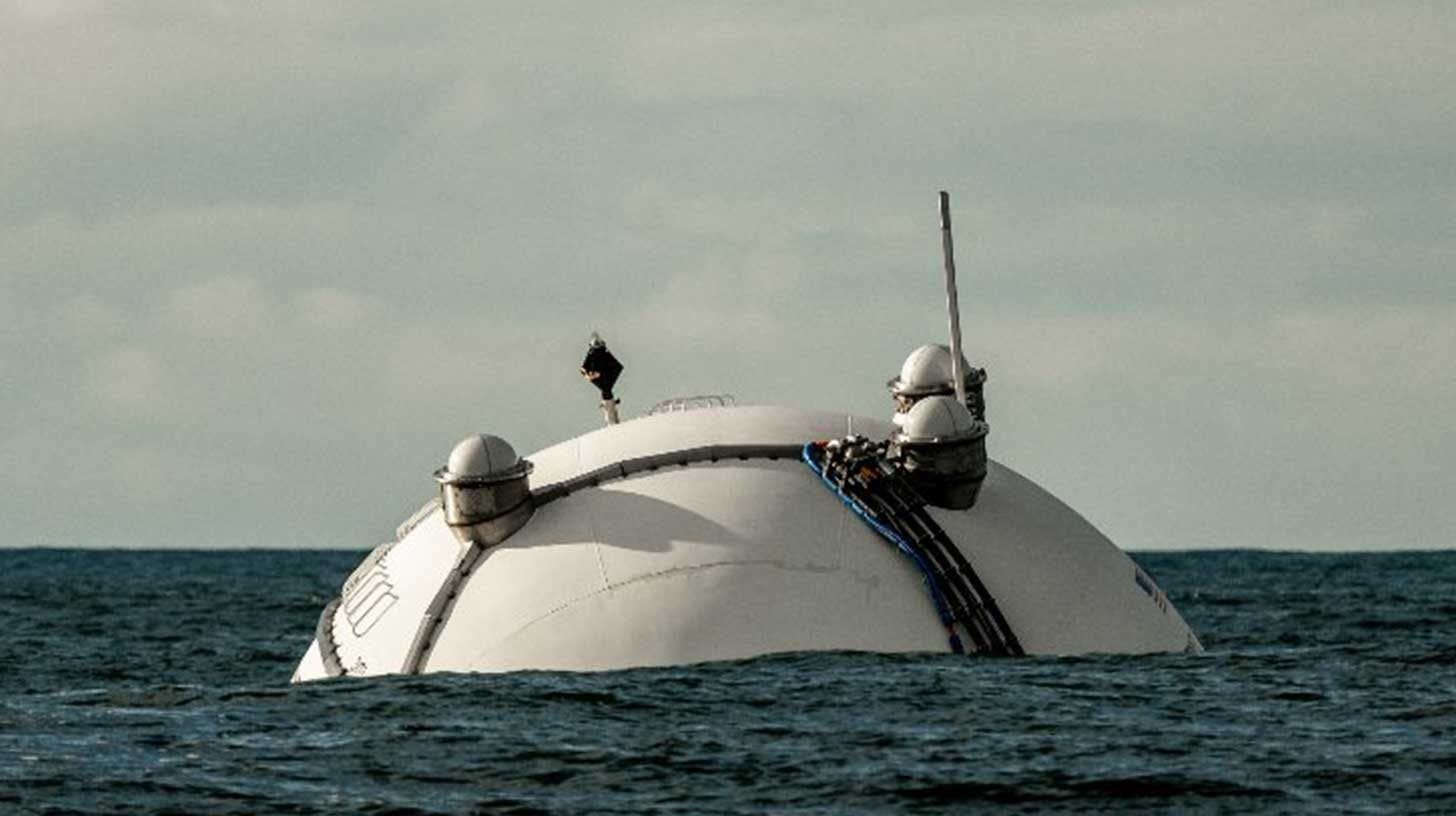
Each 85-meter steel node converts wave motion into electricity for onboard AI chips.
The nodes are naturally cooled by seawater and designed to operate in the open ocean.
They can steer themselves to remote waters using hull design rather than engines.
The funding will support a pilot factory near Portland and initial deployment in the Pacific Ocean, with commercial rollout targeted for 2027.
Why it matters:
As AI data centers face rising scrutiny over power usage, land use, and local opposition, alternative compute infrastructure is becoming more attractive. Ocean-based compute may be more realistic in the near term than space-based data centers, while still opening a new frontier for AI infrastructure.