

Welcome to this week’s edition of AImpulse, a five point summary of the most significant advancements in the world of Artificial Intelligence.
Here’s the pulse on this week’s top stories:
OpenAI shuts down Sora
What’s happening:
OpenAI has shut down Sora, its highly anticipated text-to-video generation model, signaling a major shift in its generative video strategy. The move comes after months of limited access, internal iteration, and increasing competition in the video AI space.
Details:
Sora was initially introduced as a breakthrough model capable of generating highly realistic, long-form video from text prompts.
Access remained restricted to researchers and select partners, with no broad public release.
OpenAI appears to be reallocating resources toward next-gen multimodal systems and more integrated creative tooling.
The shutdown follows rapid advances from competitors building more production-ready video platforms.
Why it matters:
This suggests OpenAI is prioritizing integrated, productized AI experiences over standalone research showcases. It also highlights how quickly the generative video race is evolving where even category-defining demos aren’t guaranteed to become enduring products.
Anthropic launches Claude desktop control with Dispatch
What’s happening:
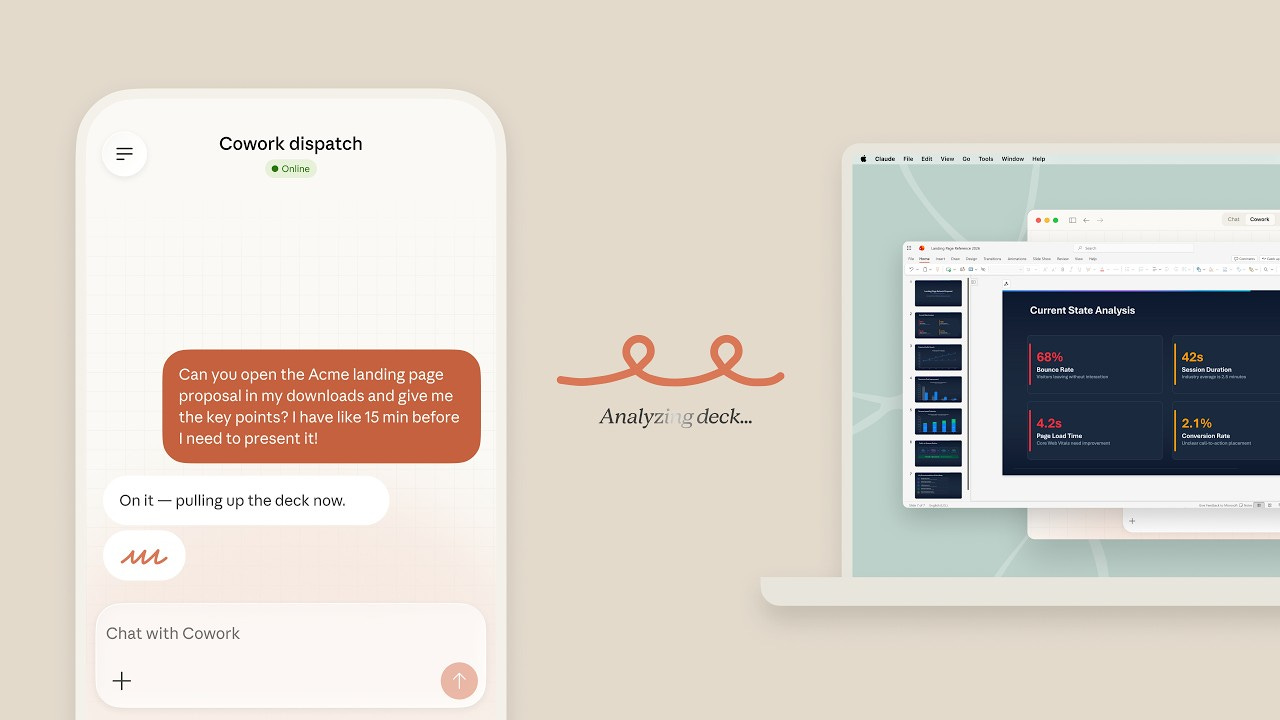
Anthropic has released a research preview that gives Claude direct control over a user’s desktop, allowing it to click, type, and navigate apps autonomously. The system pairs with a mobile feature called Dispatch, enabling users to assign tasks remotely.
Details:
Dispatch allows users to send tasks from their phone while Claude executes them on their Mac.
Claude prioritizes APIs and browser access before resorting to full screen control, reducing brittleness.
The feature is limited to macOS users on Pro/Max plans via Cowork and Claude Code, with Windows support planned.
Anthropic acquired Vercept in February, with this release marking the team’s first product launch just weeks later.
Why it matters:
This is a concrete step toward fully agentic computing, where AI operates your machine rather than just assisting within apps. It also signals Anthropic’s acceleration in product velocity, closing perceived gaps in the agent race.
Elon Musk unveils Terafab AI chip facility
What’s happening:
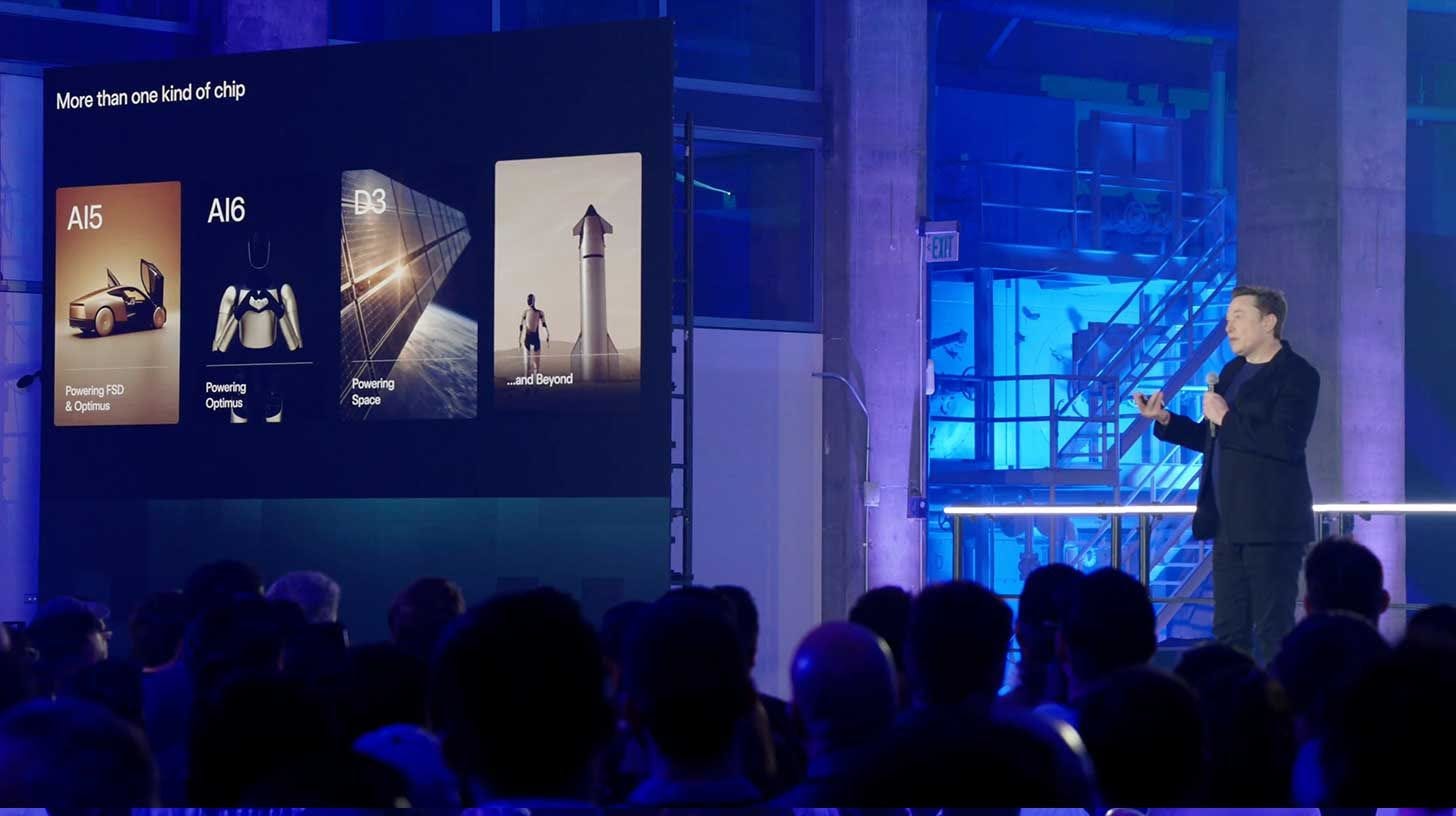
Elon Musk announced Terafab, a massive new chip manufacturing initiative spanning Tesla, SpaceX, and xAI, aiming to produce a terawatt of AI compute annually. He described it as the largest chip-building effort ever attempted.
Details:
The Austin-based facility would vertically integrate logic, memory, packaging, and testing.
Two chip classes are planned: one for Tesla/Optimus, and another for space-based AI compute via Starship.
Musk expects orbital compute infrastructure to become cost-competitive with Earth-based data centers within 2–3 years.
The project is framed as a step toward a “post-scarcity” economy and long-term galactic expansion.
Why it matters:
Compute remains the primary bottleneck in AI scaling, and Terafab represents an extreme bet on vertically integrated supply. If successful, it could reshape not just AI infrastructure economics but also the physical location of compute itself.
Anthropic publishes largest global AI attitudes study
What’s happening:
Anthropic released what it claims is the largest qualitative study of AI sentiment, using Claude to conduct 81,000 interviews across 159 countries. The study explores global hopes and fears around AI adoption.
Details:
Claude Interviewer conducted open-ended conversations in 70 languages.
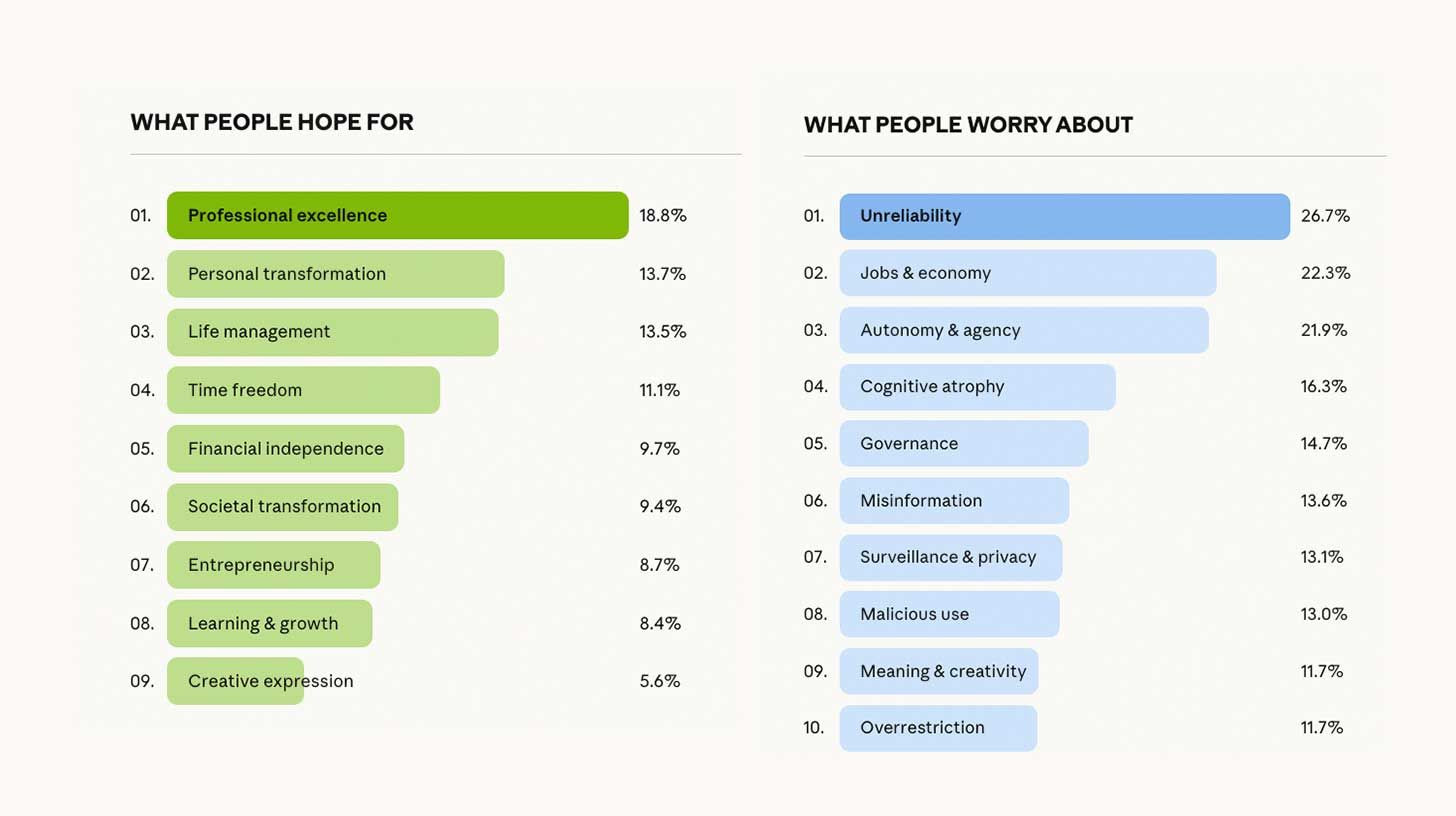
“Professional excellence” and productivity gains ranked as the top hopes.
The biggest fear was AI making incorrect decisions, followed by job loss and loss of agency.
Sentiment varied globally, with higher optimism in India and South America versus more neutral or negative views in the U.S., Europe, Japan, and South Korea.
Why it matters:
The study adds depth beyond traditional polling, revealing nuanced global perspectives on AI. It also demonstrates AI’s emerging role as a scalable, high-quality research instrument.
Google upgrades Stitch with “vibe design” workflow
What’s happening:
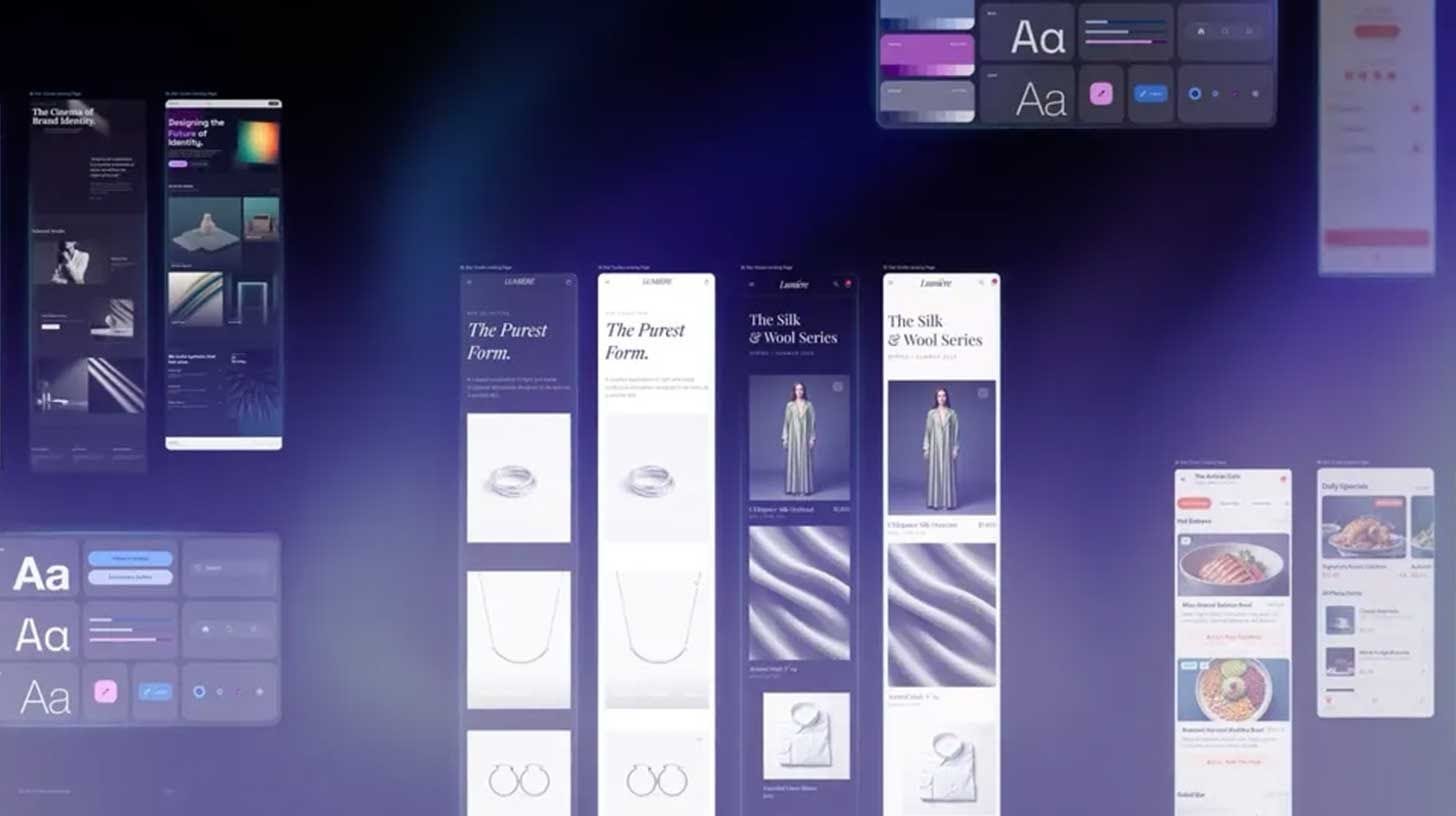
Google has revamped Stitch, transforming it into a voice-enabled, infinite canvas design platform that can generate interactive prototypes from rough ideas. The company introduced the concept of “vibe design” as a new AI-native workflow.
Details:
The tool now supports an infinite canvas with multimodal inputs including images, code, and text briefs.
A voice interface allows users to direct design changes in real time.
Instant prototyping converts static designs into interactive flows with auto-generated next screens.
A new DESIGN.md format standardizes design systems across tools and development environments.
Why it matters:
AI is collapsing the gap between idea and execution in product design, much like “vibe coding” did for engineering. Stitch positions Google to define the next-generation creative workflow where design becomes conversational, iterative, and agent-driven.