

Welcome to this week’s edition of AImpulse, a five point summary of the most significant advancements in the world of Artificial Intelligence.
Here’s the pulse on this week’s top stories:
Anthropic Ships Claude Sonnet 4.6 at Opus-Level Performance (1/5 the Price)
What’s Happening
Anthropic just launched Claude Sonnet 4.6, a mid-tier model that, matches and in some cases beats, its flagship Opus 4.6 across finance, coding, computer use, and office benchmarks. It also introduces a massive 1M token context window, at just 20% of Opus’ cost.
The Details
On SWE-Bench Verified, Sonnet 4.6 scored 79.6% vs. Opus 4.6’s 80.8% at one-fifth the price.
It outperformed Opus 4.6 on agentic financial analysis and office-task benchmarks, a first for the Sonnet line.
Early Claude Code testers preferred Sonnet 4.6 over its predecessor 70% of the time, and even over Opus 4.5 59% of the time.
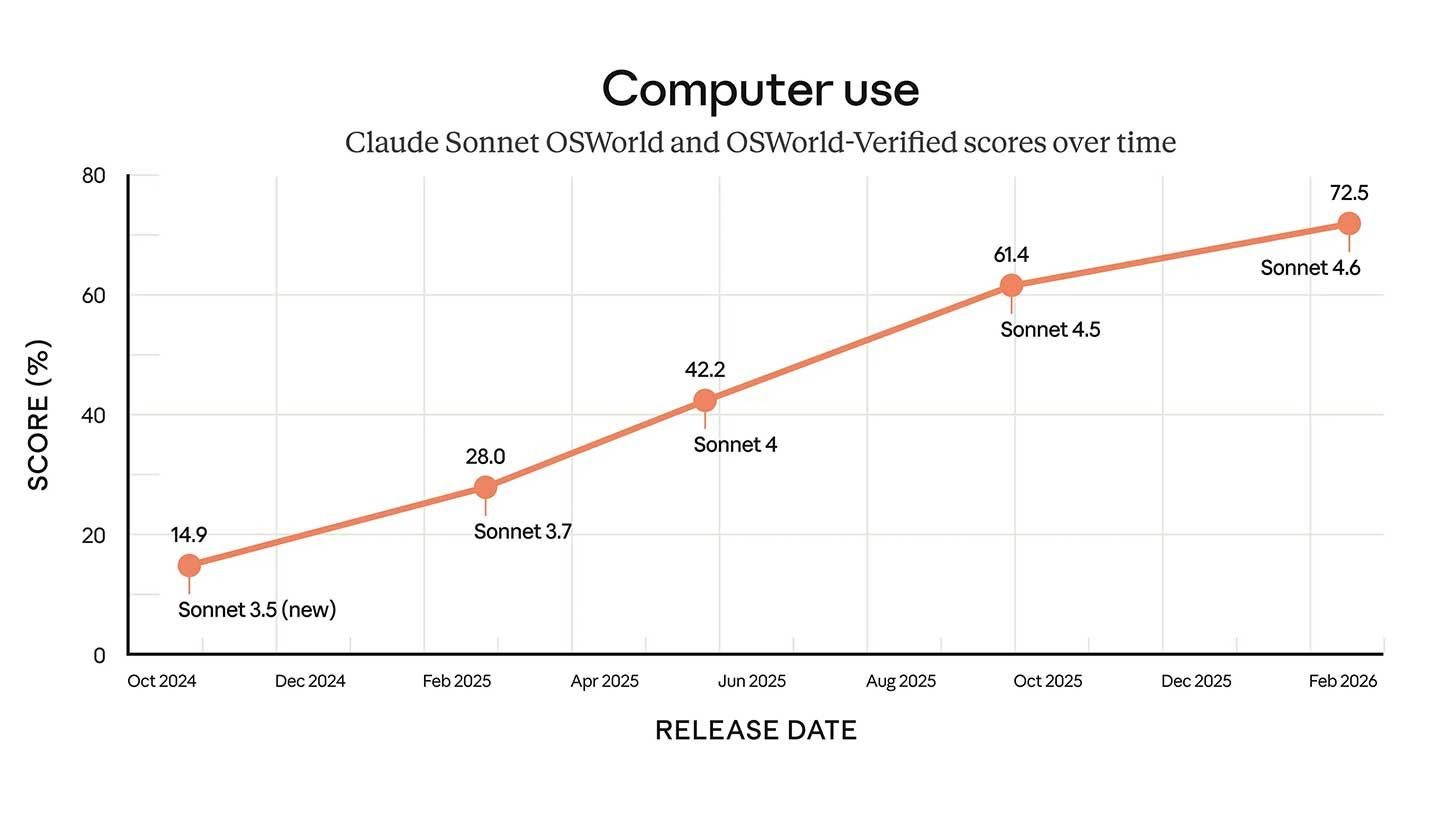
OSWorld computer-use scores jumped from <15% in late 2024 to 72.5%, signaling rapid gains in real-world autonomy.
Why It Matters
Anthropic is executing a high-velocity “capability compression” strategy pushing near-flagship performance into cheaper tiers within weeks. With aggressive pricing pressure from Chinese labs and the race toward agent-driven workflows intensifying, Sonnet 4.6 looks like a deliberate play for the high-volume infrastructure layer of the agentic economy.
Apple Preps Camera-Powered AI Wearables to Supercharge Siri
What’s Happening
Apple is reportedly accelerating development of three AI-powered wearables: smart glasses, a pendant, and camera-equipped AirPods, designed to give Siri persistent visual awareness via the iPhone.
The Details
Smart glasses with dual cameras (no display) are targeting production late this year ahead of a 2027 launch.
An internally dubbed “eyes and ears” pendant would act as an always-on camera and mic for the iPhone.
Camera-enabled AirPods could ship as early as this year, pairing visual context with live translation features.
All devices hinge on a major Siri overhaul in iOS 27, reportedly powered by Google’s Gemini and featuring a chatbot-style interface.
Why It Matters
If Apple ships AI wearables with a functional, multimodal Siri, it instantly resets the mainstream AI hardware narrative. But everything depends on whether Siri’s long-promised reinvention actually materializes. After years of missed timelines, Apple’s credibility, not just its hardware, is on the line.
Figma Bridges Claude Code to Design With “Code to Canvas”
What’s Happening
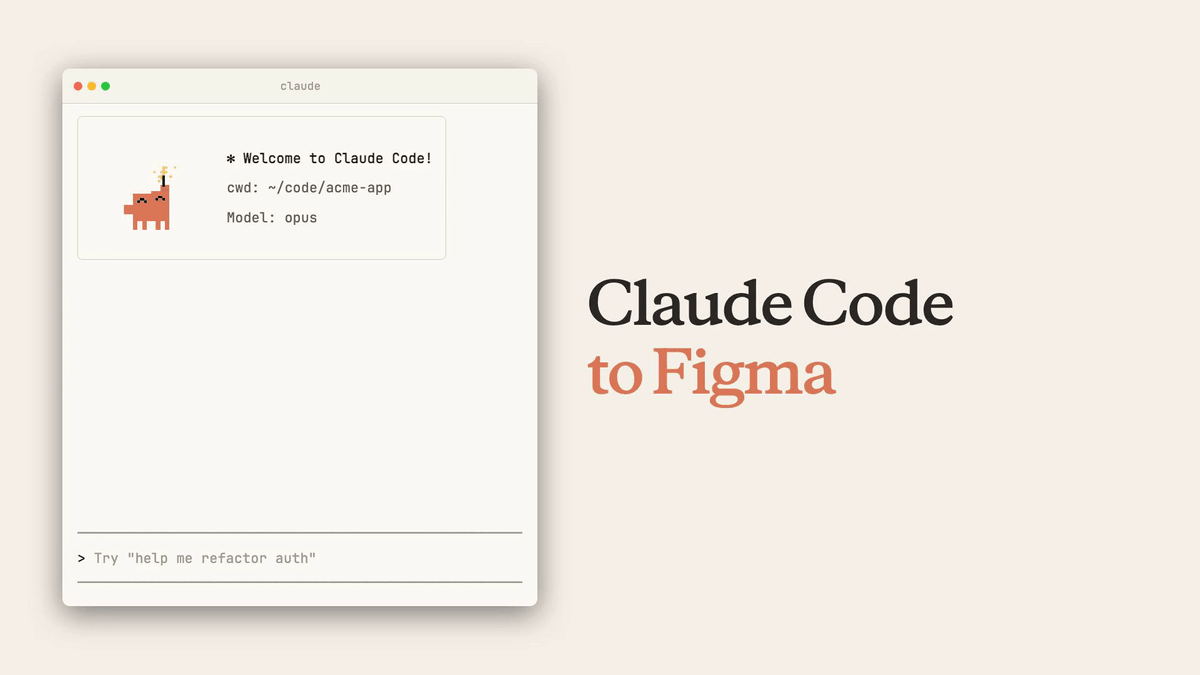
Figma unveiled a “Code to Canvas” integration with Anthropic, allowing developers to convert live UIs built in Claude Code directly into fully editable Figma design files.
The Details
The tool captures live browser UI and converts it into native Figma layers for editing and collaboration.
Figma’s MCP server lets teams push modified designs back into coding environments while preserving shared context.
Entire multi-step flows can be imported at once, enabling side-by-side experience reviews.
The launch comes as Figma stock sits roughly 85% below last summer’s high, amid SaaS pressure tied to AI coding disruption.
Why It Matters
AI coding tools have made spinning up working interfaces trivial. Figma is positioning itself as the refinement layer between raw AI prototypes and production-ready product. The open question: as models improve, will “polishing” remain a human workflow, or become automated as well?

Pentagon Weighs Cutting Anthropic Over Military AI Restrictions
What’s Happening
The U.S. Department of Defense is reportedly close to labeling Anthropic a “supply chain risk,” potentially forcing defense contractors to sever ties over usage restrictions placed on Claude.
The Details
A “supply chain risk” designation would require U.S. contractors to cut ties, a significant business hit.
Defense officials want rights to use AI for “all lawful purposes.”
Anthropic is resisting broad permissions, seeking guardrails against domestic surveillance and autonomous weapons use.
Claude is currently the only AI deployed on classified Pentagon systems and was reportedly used via Palantir Technologies in operations targeting Nicolás Maduro.
Why It Matters
This is a pivotal governance moment: corporate AI guardrails are colliding with military operational demands. The outcome will help define whether national security AI norms are shaped primarily by government mandate or private-sector safety constraints.
xAI Reorganizes Post-SpaceX Merger With Lunar AI Ambitions
What’s Happening
xAI held its first all-hands since merging with SpaceX, with Elon Musk outlining structural changes, roadmap priorities, and long-term lunar infrastructure plans.
The Details
Musk acknowledged team departures and unveiled a four-team structure: Grok (chat/voice), coding, Imagine, and Macrohard (agents simulating companies).
The reorg is aimed at scaling more effectively amid intensifying AI competition.
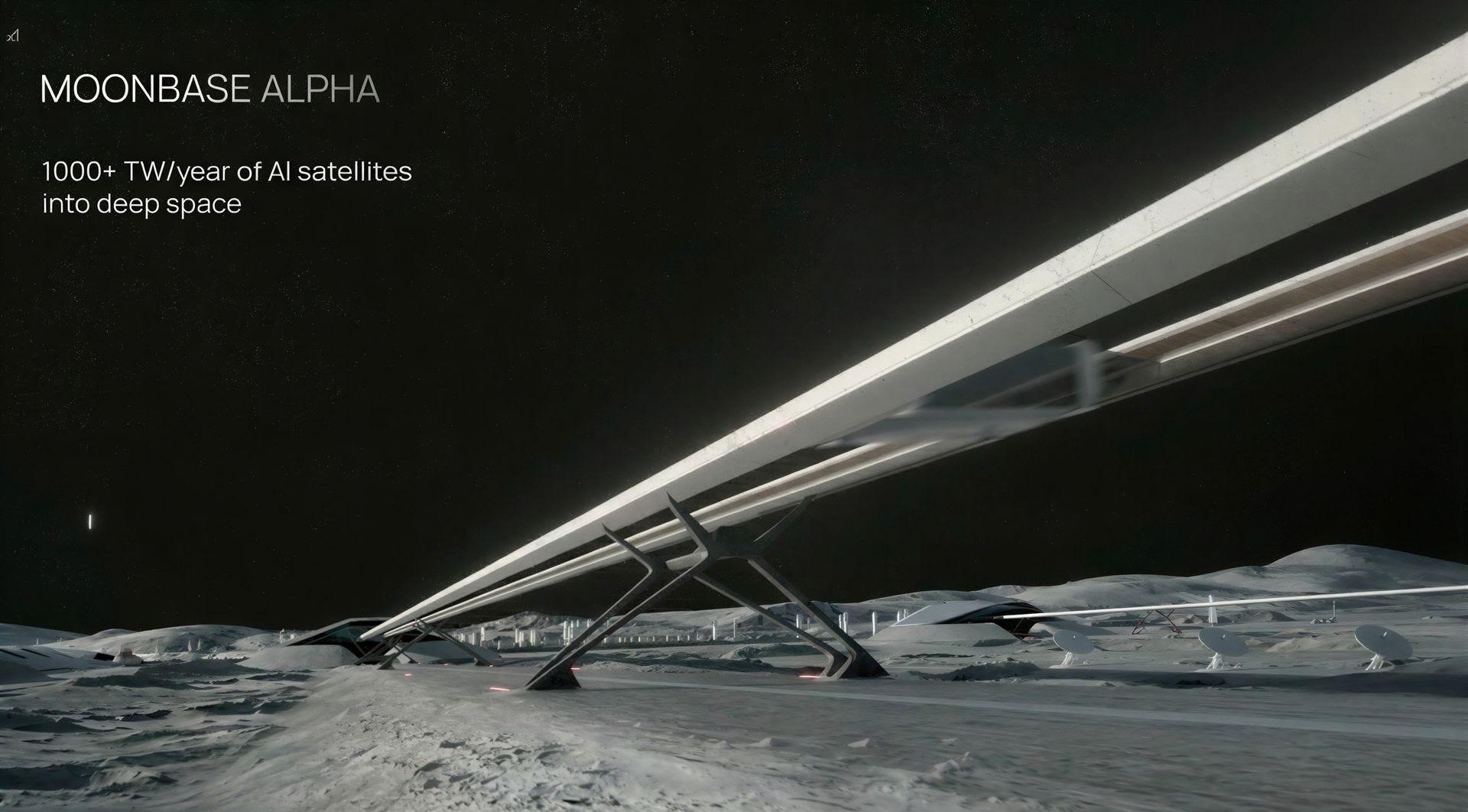
SpaceX infrastructure plans include AI satellite factories on the Moon, leveraging lunar materials and solar energy.
An electromagnetic mass driver is envisioned to launch AI satellites and components for deep-space data centers.
Why It Matters
Musk’s timelines often stretch, but the strategic signal is clear: xAI intends to compete not just on models, but on infrastructure asymmetry, expanding compute capacity beyond Earth’s resource constraints. Whether practical or aspirational, it reframes the AI race as planetary-scale industrial competition.