

Welcome to this week’s edition of AImpulse, a five point summary of the most significant advancements in the world of Artificial Intelligence.
Here’s the pulse on this week’s top stories:

OpenAI’s $122B Raise + Superapp Strategy
What’s happening
OpenAI raised $122B at an $852B valuation, the largest venture round ever, while outlining plans for a unified AI “superapp.” The move signals a consolidation strategy around its core products and enterprise growth.
Details
Amazon, Nvidia, and SoftBank anchored $110B, with Amazon reportedly including an AGI-trigger clause that could reset terms.
OpenAI hit $2B/month in revenue, claiming a growth pace 4x faster than Alphabet Inc. and Meta Platforms at a similar stage.
Enterprise revenue now exceeds 40% of total and is on track to match consumer by year-end.
ChatGPT, Codex, and agent tools are being merged into a unified “superapp,” following the wind-down of Sora as a standalone product.
Why it matters
The size of the raise is historic, but the enterprise mix shift is the real signal of where durable value is forming. A unified superapp positions OpenAI to own the primary interface layer of AI and sets the stage for a potential IPO defining the next phase of the AI cycle.
AI Adoption Rises as Public Trust Falls
What’s happening
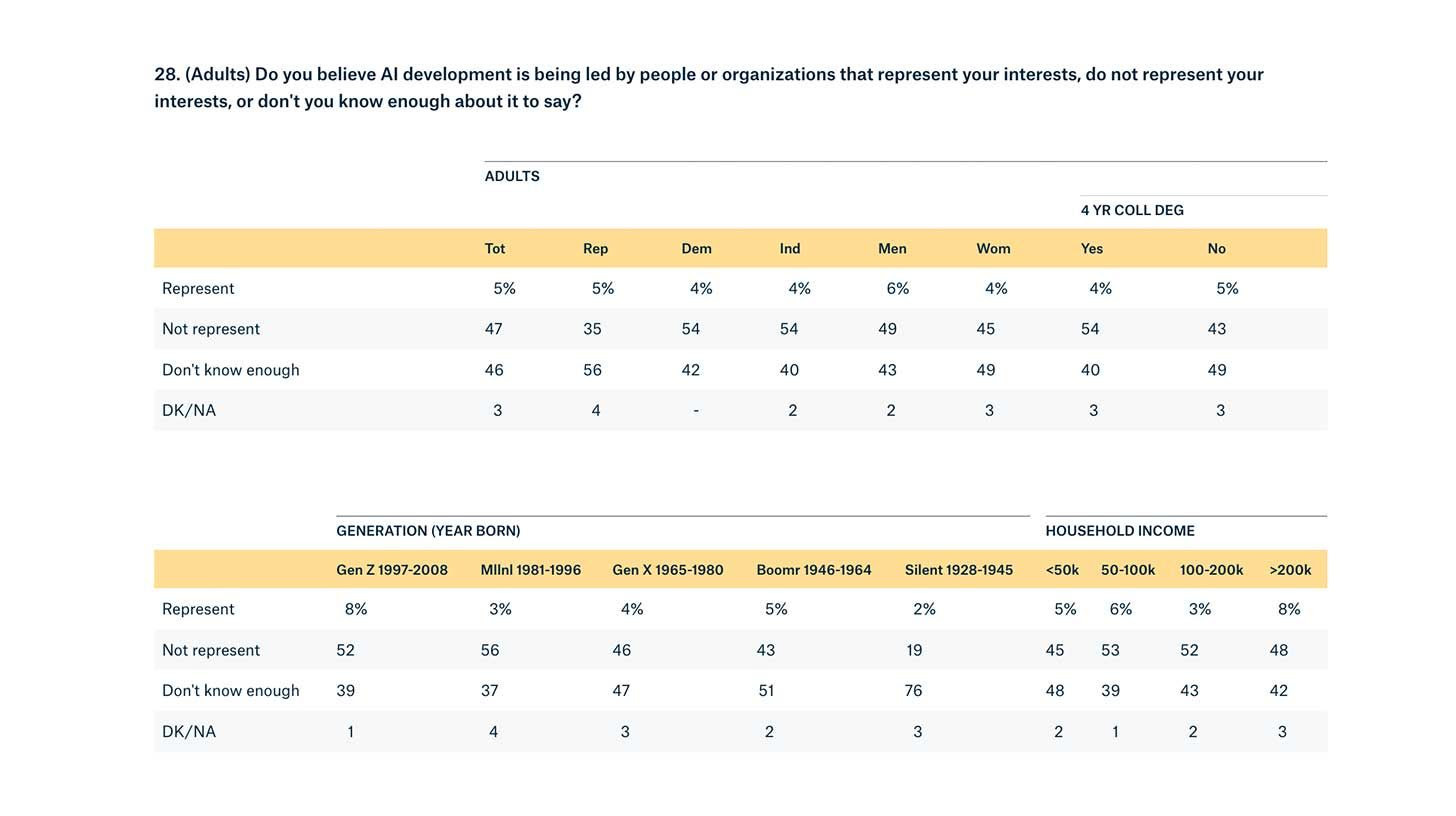
A new poll shows AI usage rising across the U.S., while trust, sentiment, and job security concerns are all deteriorating. The gap between adoption and perception is widening.
Details
Usage increased 14%, led by: research (51%), writing (28%), school/work (27%), and data analysis (27%).
70% of respondents now expect AI to reduce job opportunities, a 14-point increase.
Sentiment splits sharply by income: 52% of $200K+ earners see net positive impact vs. 60% under $50K seeing net harm.
Only 5% believe AI is developed by people representing their interests, while 74% say regulation is insufficient.
Why it matters
Industry optimism is accelerating, but public trust is moving in the opposite direction. That divergence historically resolves through regulation, political pressure, or consumer backlash, none of which favor unchecked AI expansion.
Microsoft Pushes Multi-Model AI with Critique & Council
What’s happening
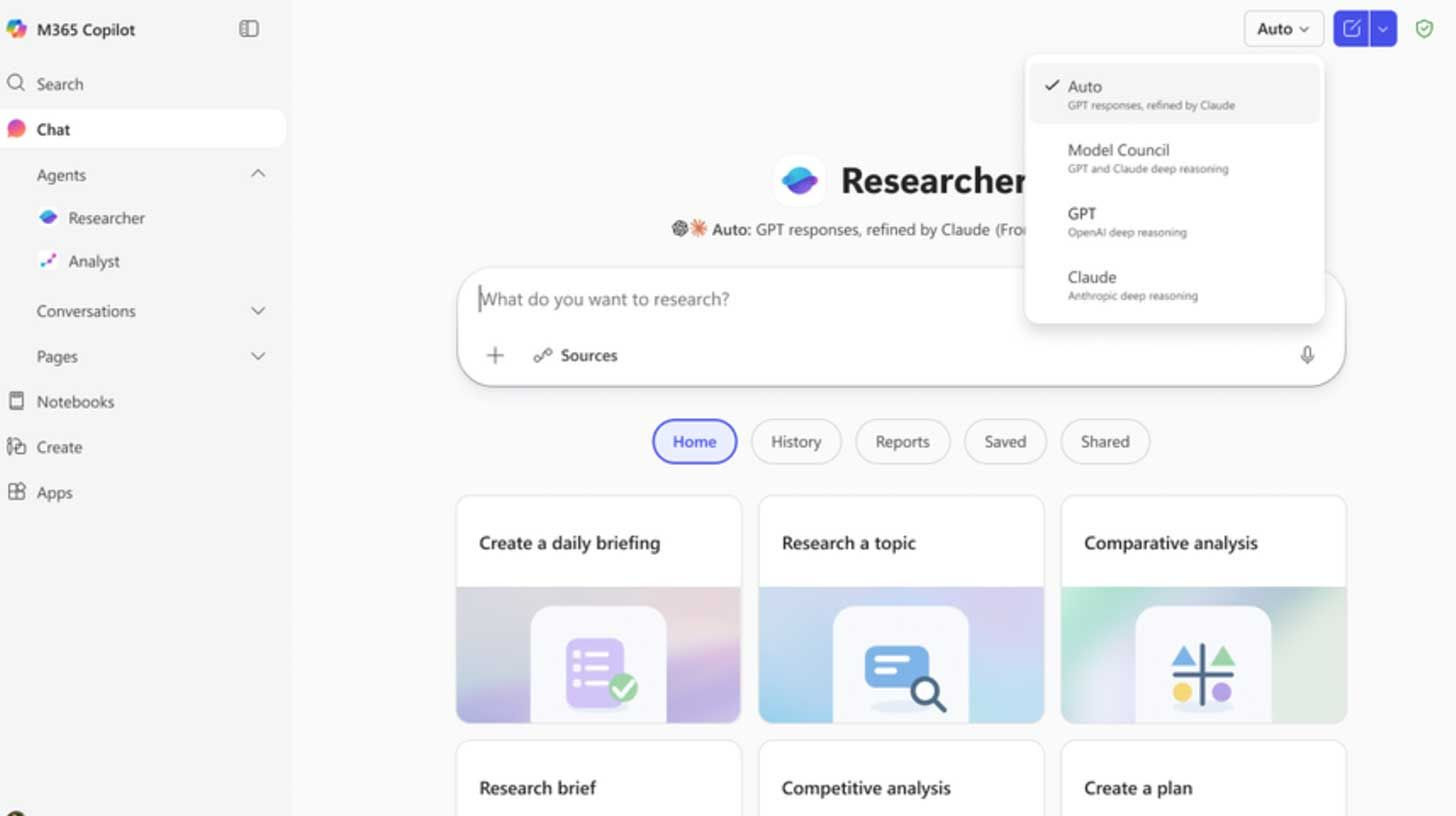
Microsoft introduced Critique and Council, turning Copilot into a multi-model system that evaluates and cross-checks its own outputs. The shift formalizes multi-model orchestration as a core paradigm.
Details
Copilot Researcher uses OpenAI for drafting, with Critique adding Anthropic’s Claude to review outputs.
One model generates research while a second audits for accuracy, sourcing, and reasoning gaps.
Council mode runs models in parallel, highlighting agreement, disagreement, and unique insights.
The release coincides with broader rollout of Copilot Cowork within Microsoft’s Frontier agent system.
Why it matters
Single-model outputs are inherently biased toward coherence over truth. Multi-model systems introduce adversarial validation, which is quickly becoming table stakes for high-stakes AI workflows.

Anthropic’s Claude Mythos Leak Reveals Next Frontier Model
What’s happening
Details of Anthropic’s next flagship model, Claude Mythos, leaked via an unsecured CMS, revealing a major capability jump. The model is positioned above its current Opus tier.
Details
A CMS misconfiguration exposed unpublished assets, including a draft launch blog.
Mythos is described as part of a new “Capybara” tier, larger and more expensive than Opus.
The model is flagged as significantly advanced in cybersecurity capabilities, with potential misuse risks.
Anthropic confirmed testing of a new general-purpose system with advances in reasoning, coding, and security.
Why it matters
A new tier above Opus suggests another step-change in frontier model capability. Leak or not, the narrative mirrors past “accidental” disclosures that effectively double as pre-launch signaling.
Apple Opens Siri to Competing AI Models
What’s happening
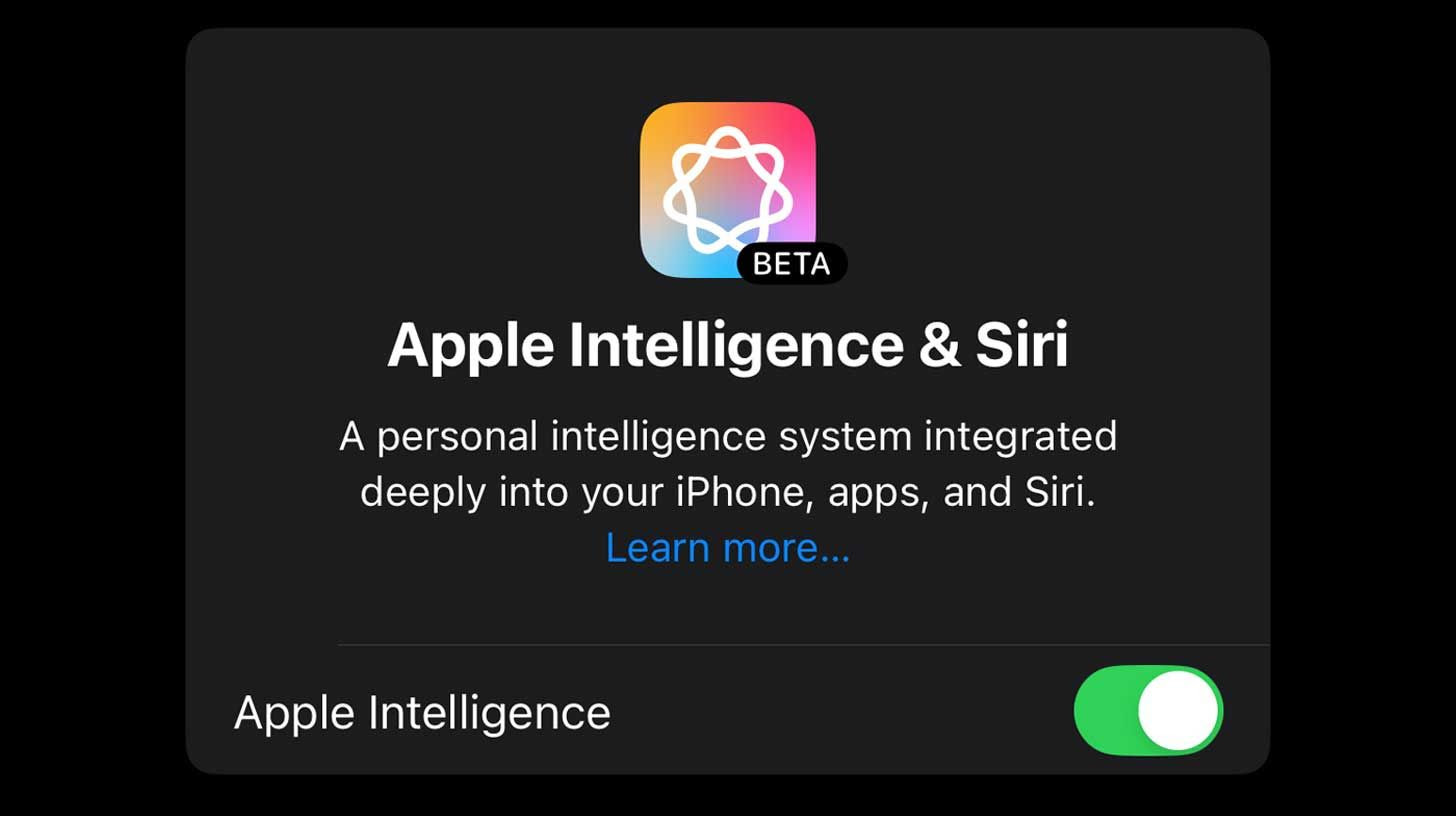
Apple plans to let users choose which AI model powers Siri starting with iOS 27, ending ChatGPT’s exclusivity. The move shifts Siri toward a model-agnostic interface.
Details
Users will select AI providers via extensions and route queries through Siri.
ChatGPT, integrated since 2024, has reportedly seen limited usage.
Apple may monetize third-party AI subscriptions via App Store revenue share.
A major Siri overhaul powered by Google’s Gemini is expected at WWDC.
Why it matters
Apple is sidestepping the model wars by abstracting the interface layer and letting users choose providers. With distribution across billions of devices, this positions Apple to control access while commoditizing the models themselves.