

Welcome to this week’s edition of AImpulse, a five point summary of the most significant advancements in the world of Artificial Intelligence.
Here’s the pulse on this week’s top stories:
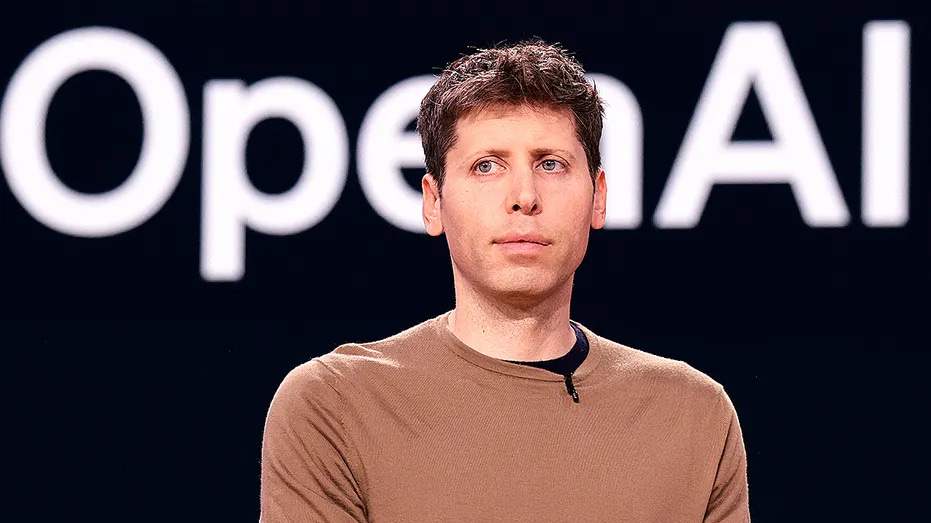
OpenAI Sounds the Alarm on Enterprise and Coding
What’s Happening:
OpenAI is reportedly reshaping its product strategy to focus more heavily on coding and enterprise tools after internal concern over Anthropic’s lead with business customers. According to the WSJ, CEO of Applications Fidji Simo called the gap a “wake-up call” during a company-wide meeting.
Details:
Simo reportedly described Anthropic’s traction with enterprise customers as a “code red” for OpenAI.
Internally, she said the company “can’t miss the moment because we are distracted by side quests,” referencing efforts spanning hardware, ads, adult mode, and more.
OpenAI’s 2025 rollout included Sora, the Atlas browser, e-commerce features, and other launches that insiders said created confusion and constant compute reshuffling.
The company has regained some ground in coding, with Codex reportedly growing to more than 2M weekly users since January alongside a new GPT-5.4 model aimed at business workflows.
Why It Matters:
The OpenAI-Anthropic rivalry may look consumer-facing from the outside, but the biggest battleground is increasingly enterprise adoption. Simo raising the issue so bluntly suggests OpenAI sees Anthropic’s lead with business users as a serious strategic threat.
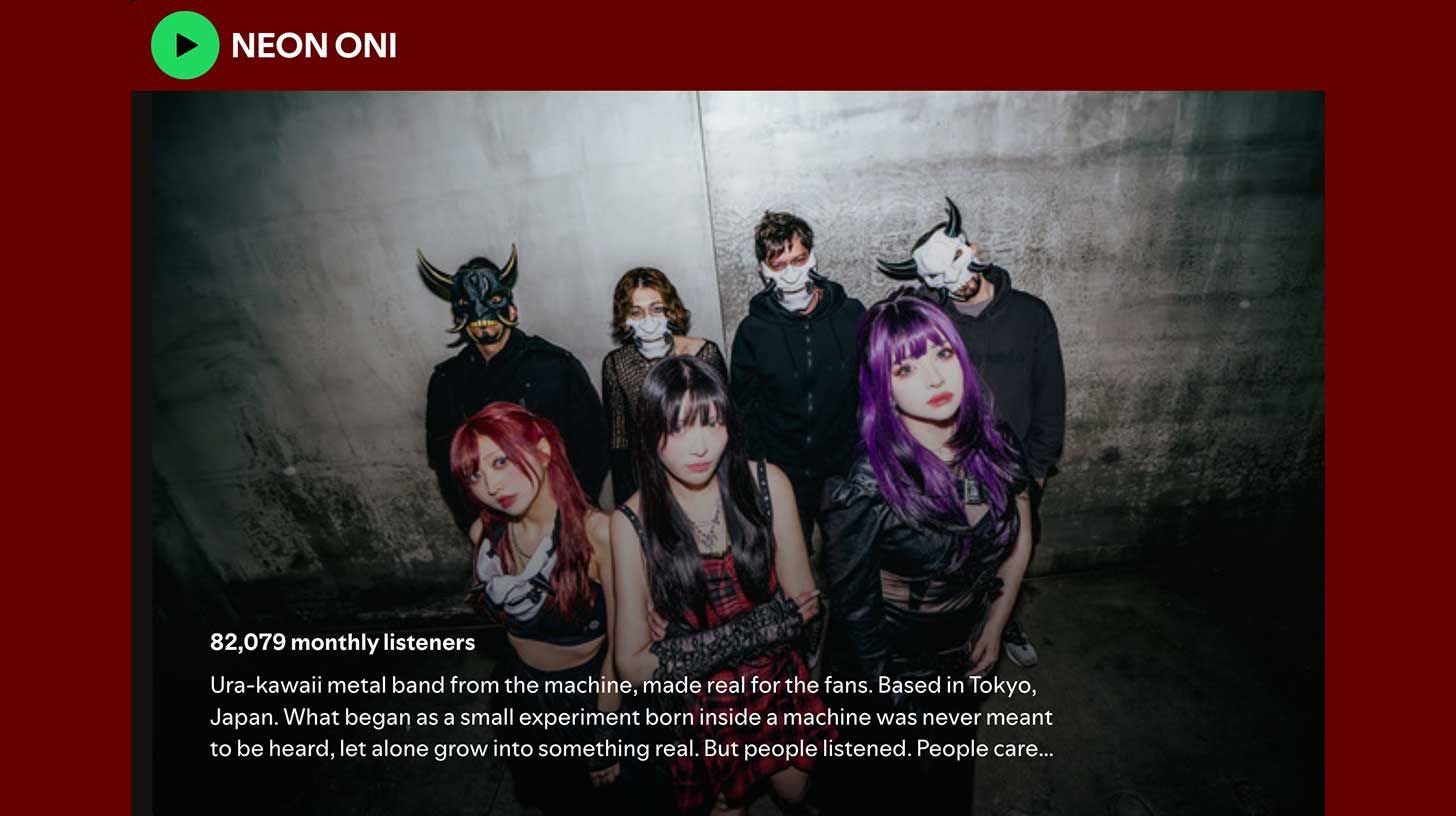
AI Metal Band Turns Virtual Hype Into Real-World Shows
What’s Happening:
A pseudonymous producer known as “Kage” built a fictional Japanese metal band called Neon Oni using Suno, attracting more than 80k monthly Spotify listeners before fans discovered it was AI-generated. After the reveal, the creator hired real Tokyo musicians to perform the songs live.
Details:
Neon Oni presented itself as a real Tokyo-based band, complete with fictional member bios, AI-generated music videos, merch, and a growing online fanbase.
Reddit users eventually noticed AI-generated visual artifacts, including distorted hands, and traced the project back to a creator in Europe.
Kage later recruited seven musicians from Tokyo bands to bring the songs to the stage, with three live performances already completed and a headline gig scheduled for March 29.
In an interview, Kage argued the project had created opportunities for musicians rather than replacing them.
Why It Matters:
Neon Oni shows how AI can now manufacture not just songs, but entire artist identities and fan ecosystems. The bigger question is whether this becomes a new model for music: AI-generated creation on the front end, with human performers stepping in once demand is real.
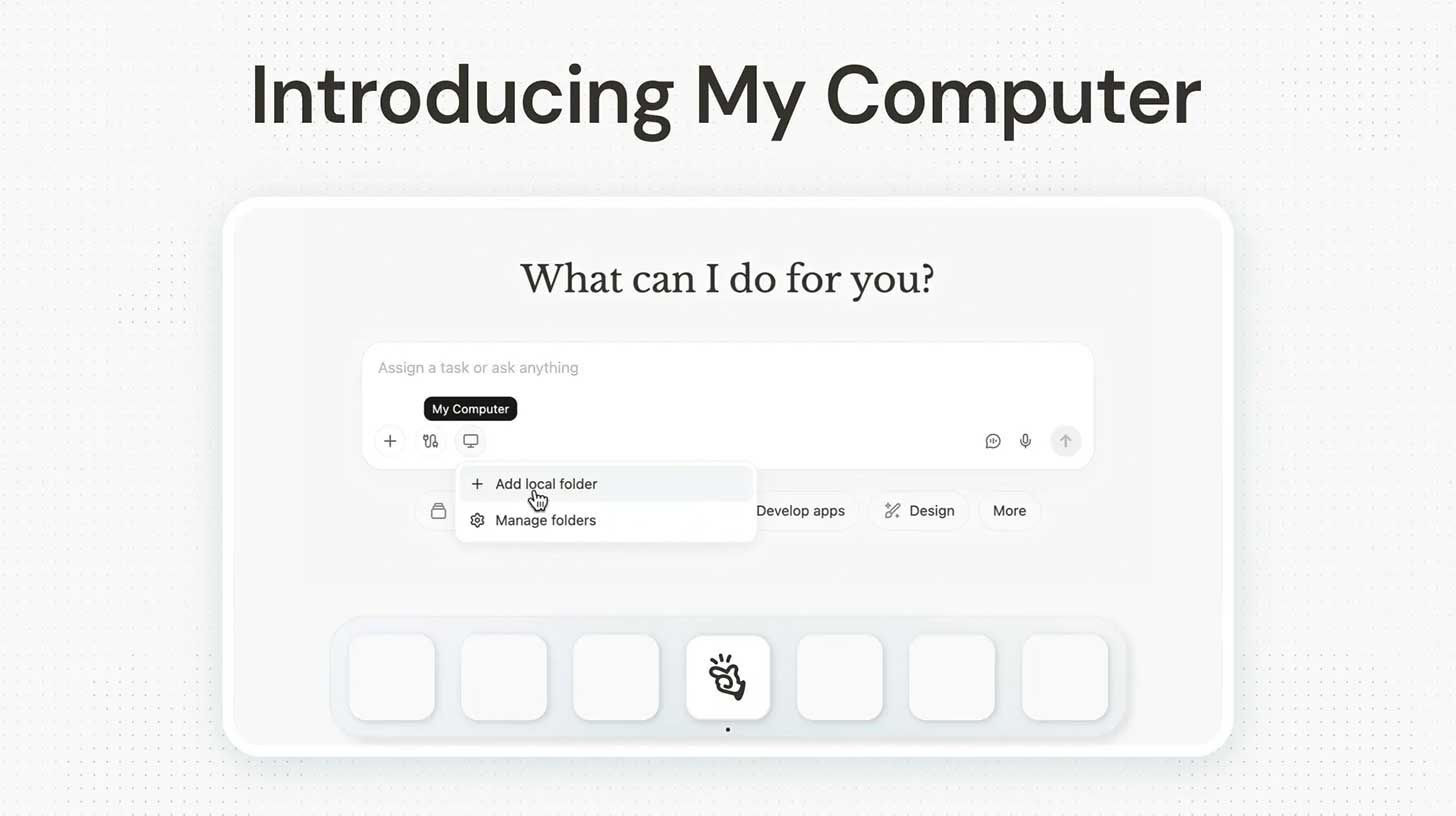
Manus Brings Its AI Agent Onto the Desktop
What’s Happening:
Manus has launched My Computer, a desktop app that shifts its cloud-based AI agent onto users’ local machines. The move gives the agent direct access to files, terminal commands, app-building workflows, and idle hardware resources.
Details:
My Computer operates through the local terminal, allowing the agent to read, organize, edit, and manage files directly on a user’s device.
Early use cases include sorting photo libraries, batch-renaming invoices, and autonomously building and packaging software.
Manus was acquired by Meta in December for $2B, with its team joining the company and CEO Xiao Hong taking on a VP role.
The system can also use a machine’s idle hardware to run jobs in the background or complete tasks assigned remotely from a phone.
Why It Matters:
Manus is joining a growing wave of AI products trying to become the operating layer for users’ computers. For Meta, the acquisition offers a meaningful foothold in agentic computing even without its own leading frontier model.
xAI Hits Reset as Grok Falls Behind
What’s Happening:
Elon Musk says xAI “was not built right” and is now being rebuilt from the ground up as the company tries to close the gap with frontier AI rivals. The reset comes amid a near-total co-founder exodus and a new push to recruit elite coding talent.
Details:
Zihang Dai and Guodong Zhang are the latest co-founders to leave, bringing the total departures to 9 of xAI’s original 11 co-founders.
That leaves just Manuel Kroiss and Ross Nordeen from the original founding team still at the company alongside Musk.
Zhang, who led Grok Code and reported directly to Musk, was reportedly blamed internally for Grok’s coding weaknesses before his departure.
xAI recently brought on senior Cursor leaders Andrew Milich and Jason Ginsberg, following Musk’s public admission that Grok is still behind in coding.
Why It Matters:
This is not a tune-up, it’s a structural reset at one of AI’s most visible companies. If xAI is rebuilding while chasing frontier relevance and eyeing an IPO, it suggests the pressure to compete on coding has become existential.
Nvidia Expands Its AI Empire at GTC 2026
What’s Happening:
Nvidia CEO Jensen Huang used GTC 2026 to unveil a broad slate of new AI infrastructure, agent, gaming, robotics, and enterprise products. The announcements reinforced Nvidia’s push to own the stack beneath nearly every major AI workload.
Details:
Nvidia introduced NemoClaw, an open-source framework designed to add security and privacy guardrails to OpenClaw agents for enterprise use.
Huang unveiled the next-gen Vera Rubin platform, bringing seven new chips into production for AI training and agent workloads, while also teasing future space-based data centers.
DLSS 5 was announced as a major gaming upgrade, using AI to generate photorealistic lighting and materials in real time, with Bethesda, Capcom, and Ubisoft among early adopters.
Nvidia also launched a new open-source Agent Toolkit and rolled out additional AI platforms and partnerships across vehicles, robotics, and enterprise applications.
Why It Matters:
GTC 2026 made Nvidia’s strategy unmistakable: dominate infrastructure while staying open enough for the rest of the ecosystem to build on top. From chips to agents to robotics, Nvidia is positioning itself as the foundational layer for the AI economy.