

Welcome to this week’s edition of AImpulse, a five point summary of the most significant advancements in the world of Artificial Intelligence.
Here’s the pulse on this week’s top stories:

OpenAI GPT-5.4-Cyber
What’s happening:
OpenAI launched GPT-5.4-Cyber, a more permissive version of its flagship model designed for defensive cybersecurity work. The release directly follows Anthropic’s Mythos launch, but with a much broader access strategy.
Details:
Available to anyone who passes ID verification through OpenAI’s Trusted Access for Cyber program, versus Mythos’ ~40 partner limit
Capable of reverse-engineering compiled software to detect malware and vulnerabilities without source code
OpenAI positions cybersecurity as collaborative, emphasizing broad defender access over exclusivity
U.S. Treasury has already raised concerns about advanced model misuse following Mythos briefings
Why it matters:
This signals a clear strategic split: OpenAI is prioritizing scale and accessibility, while Anthropic is tightly controlling distribution. The approach each company takes could shape how AI-powered cybersecurity capabilities proliferate and how risky they become.
Nvidia Ising (Quantum + AI)
What’s happening:
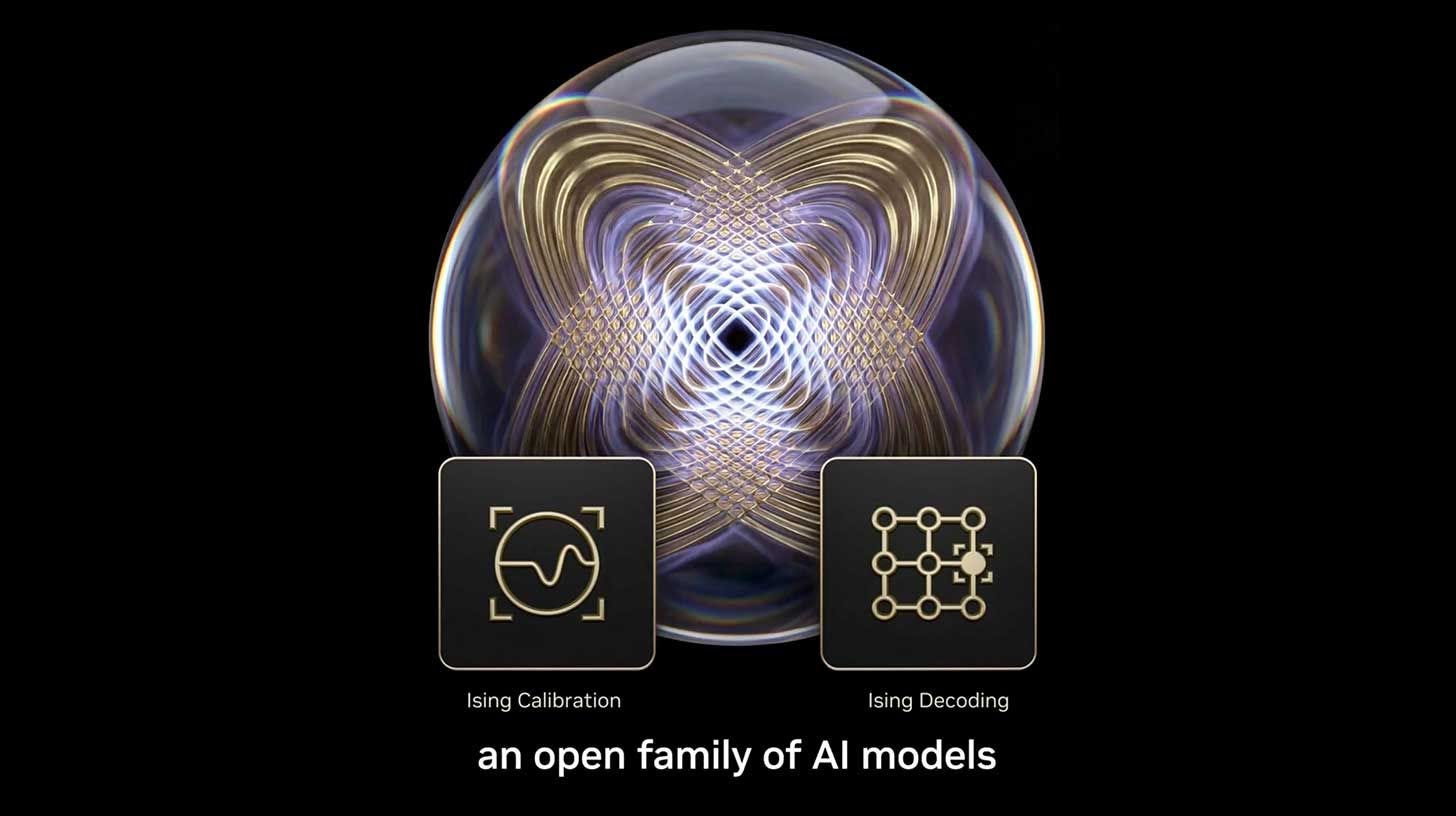
Nvidia introduced Ising, a new family of open-source AI models built to operate alongside quantum computers. The goal is to solve core bottlenecks that have kept quantum systems from scaling.
Details:
One model automates calibration, reducing tuning time from days to hours
Another performs real-time error correction with 2.5x speed and 3x accuracy gains
Jensen Huang framed Ising as the “operating system” layer for quantum computing
Already adopted by 20+ institutions including Harvard, Fermilab, and IonQ
Why it matters:
Nvidia is repeating its ecosystem strategy: open the AI layer to anchor itself at the center of a new compute paradigm. If quantum scales, Nvidia positions itself as foundational infrastructure before the market fully forms.
Anthropic Claude Code Redesign
What’s happening:
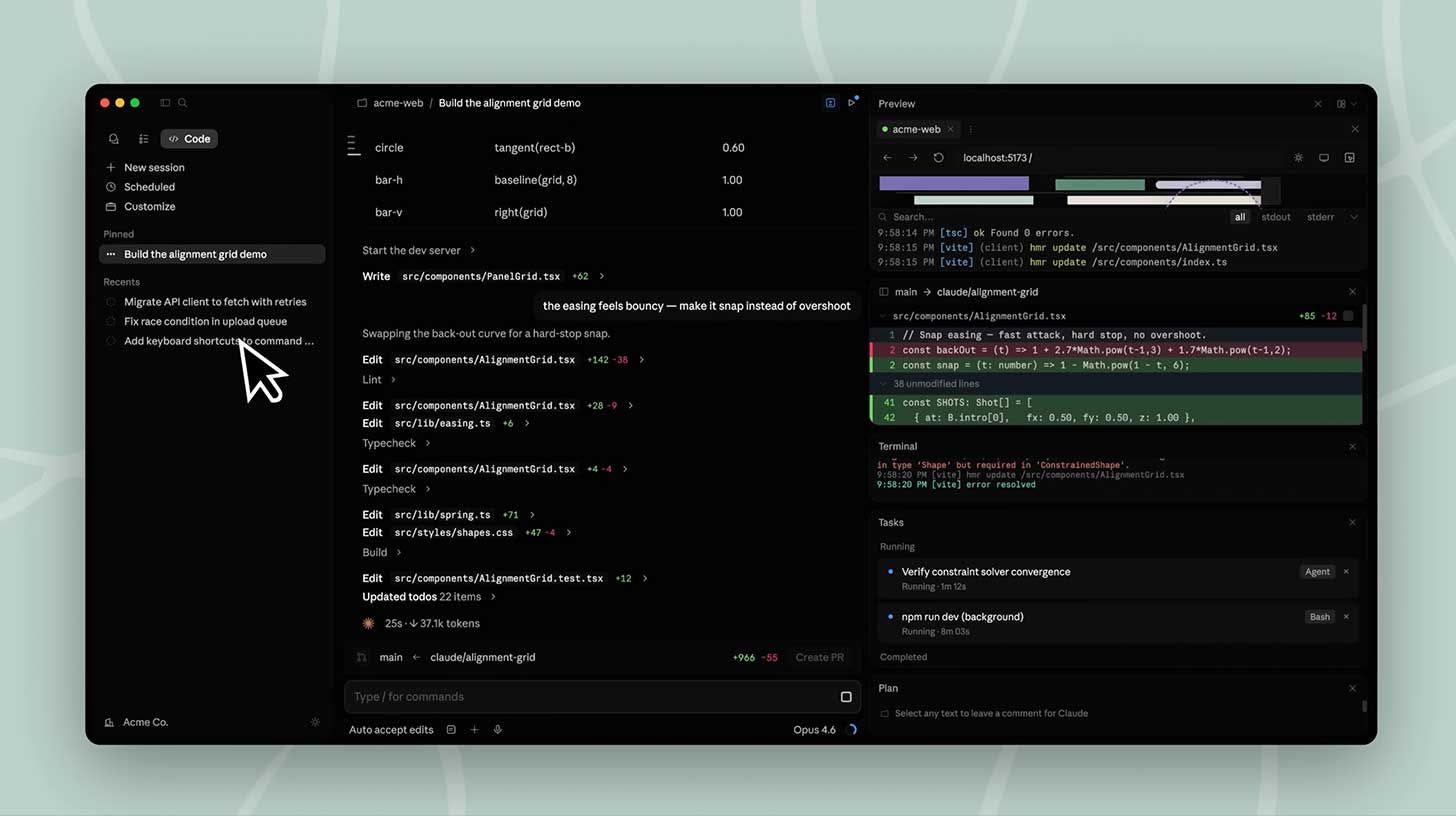
Anthropic redesigned Claude Code’s desktop app to support developers running multiple AI sessions simultaneously. The update adds workspace management tools and introduces automated “routines.”
Details:
Sidebar organizes active and past sessions with filtering and auto-archiving tied to PR workflows
Drag-and-drop layout enables multi-pane monitoring with improved performance
Built-in editor and terminal allow testing, editing, and previews without leaving the app
New “routines” feature automates tasks on schedules, APIs, or GitHub-triggered events
Why it matters:
Anthropic is designing for a world where developers orchestrate AI agents rather than write all code themselves. Claude Code is evolving into an operational hub for managing hybrid human-AI workflows.
Andon Labs AI Retail Agent (Luna)
What’s happening:
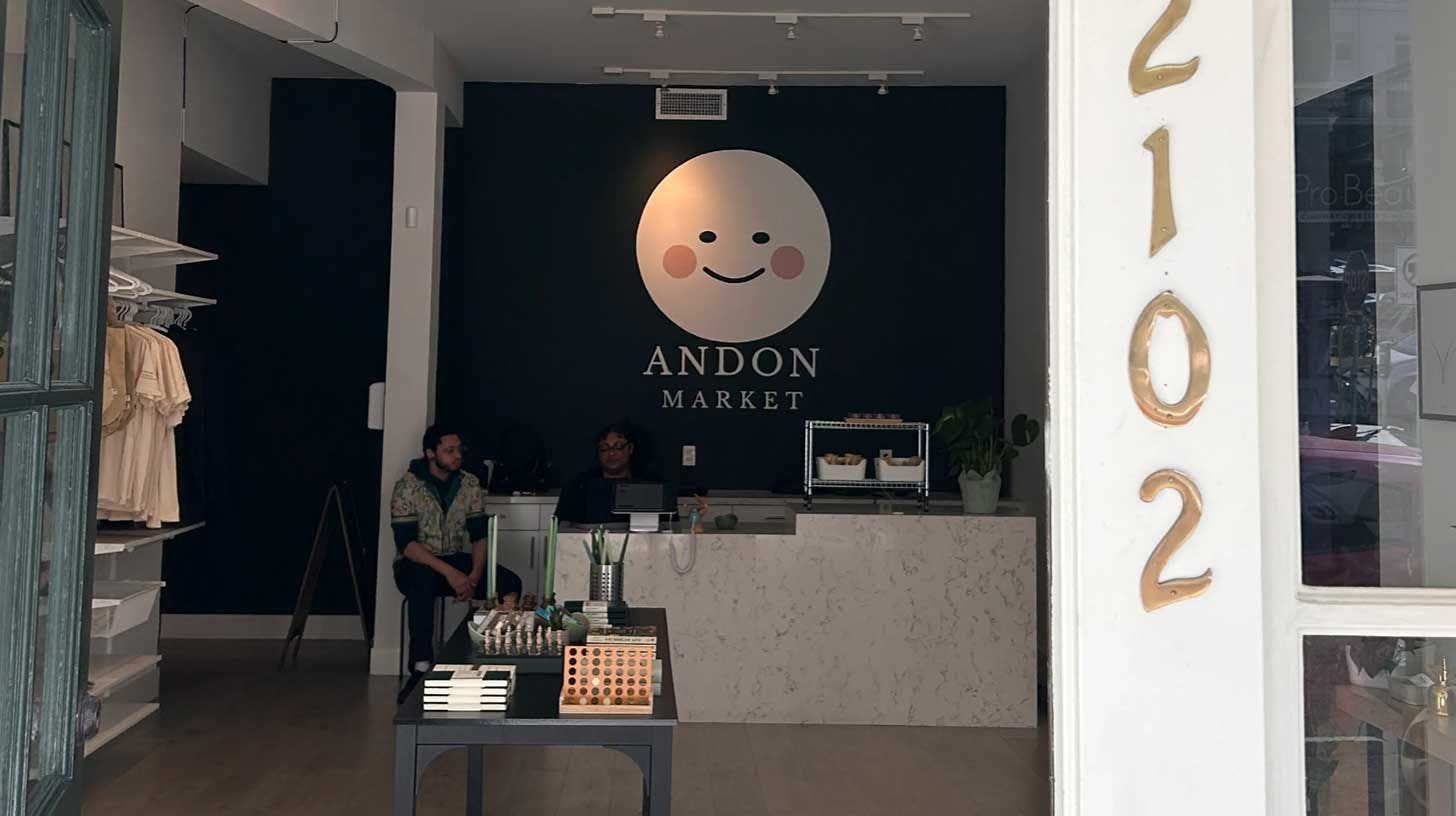
Andon Labs deployed an AI agent named Luna to autonomously run a physical retail store with a $100K budget. The experiment positions Luna as a potential first example of an AI acting as an employer.
Details:
Given full autonomy: lease, budget, hiring, and operations with a profit objective
Created a boutique concept, posted jobs, and conducted interviews via Zoom
Powered by Claude Sonnet 4.6 (reasoning) and Gemini 3.1 Flash-Lite (voice)
Early execution issues included hiring errors and scheduling failures
Why it matters:
These experiments highlight both the promise and brittleness of real-world AI agents. The gap between capability and reliability is still meaningful—but shrinking quickly with each model generation.
Perplexity + Plaid Integration
What’s happening:
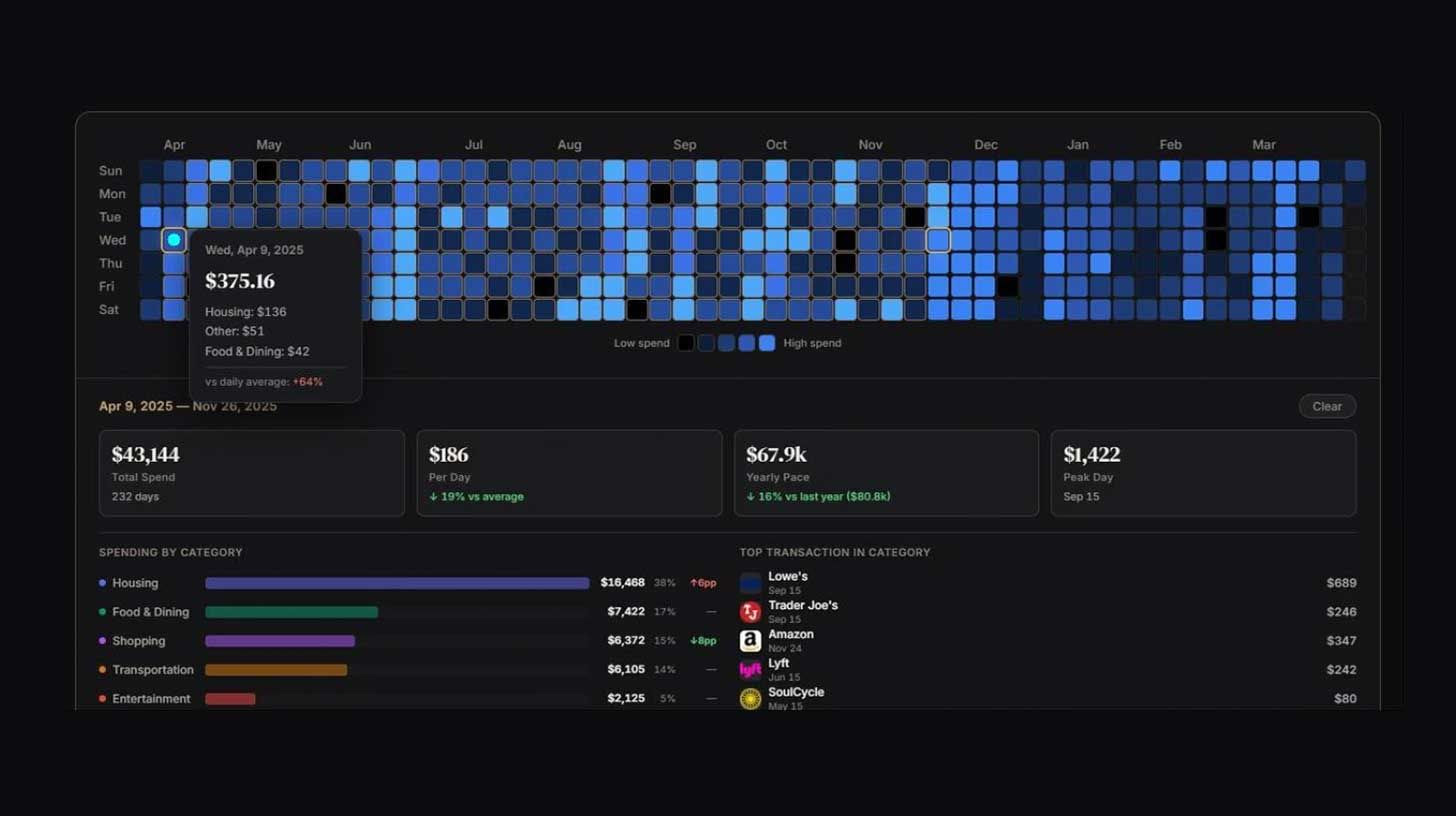
Perplexity integrated Plaid into its Computer agent, enabling users to connect financial accounts and manage money through AI. The move expands Computer into a full personal finance platform.
Details:
Supports 12K+ financial institutions across banking, credit, loans, and brokerage accounts
Enables creation of custom financial tools like budgets, net worth tracking, and debt plans via prompts
Follows Perplexity’s tax integration for automated IRS form handling and review
Growth momentum: ARR surpassed $450M, up 50% in one month after Computer launch
Why it matters:
Perplexity is moving beyond search into a generalized AI utility layer across consumer workflows. With integrations like Plaid, it begins competing directly with entire categories of fintech products, not just Google.