

Welcome to this week’s edition of AImpulse, a five point summary of the most significant advancements in the world of Artificial Intelligence.
Here’s the pulse on this week’s top stories:
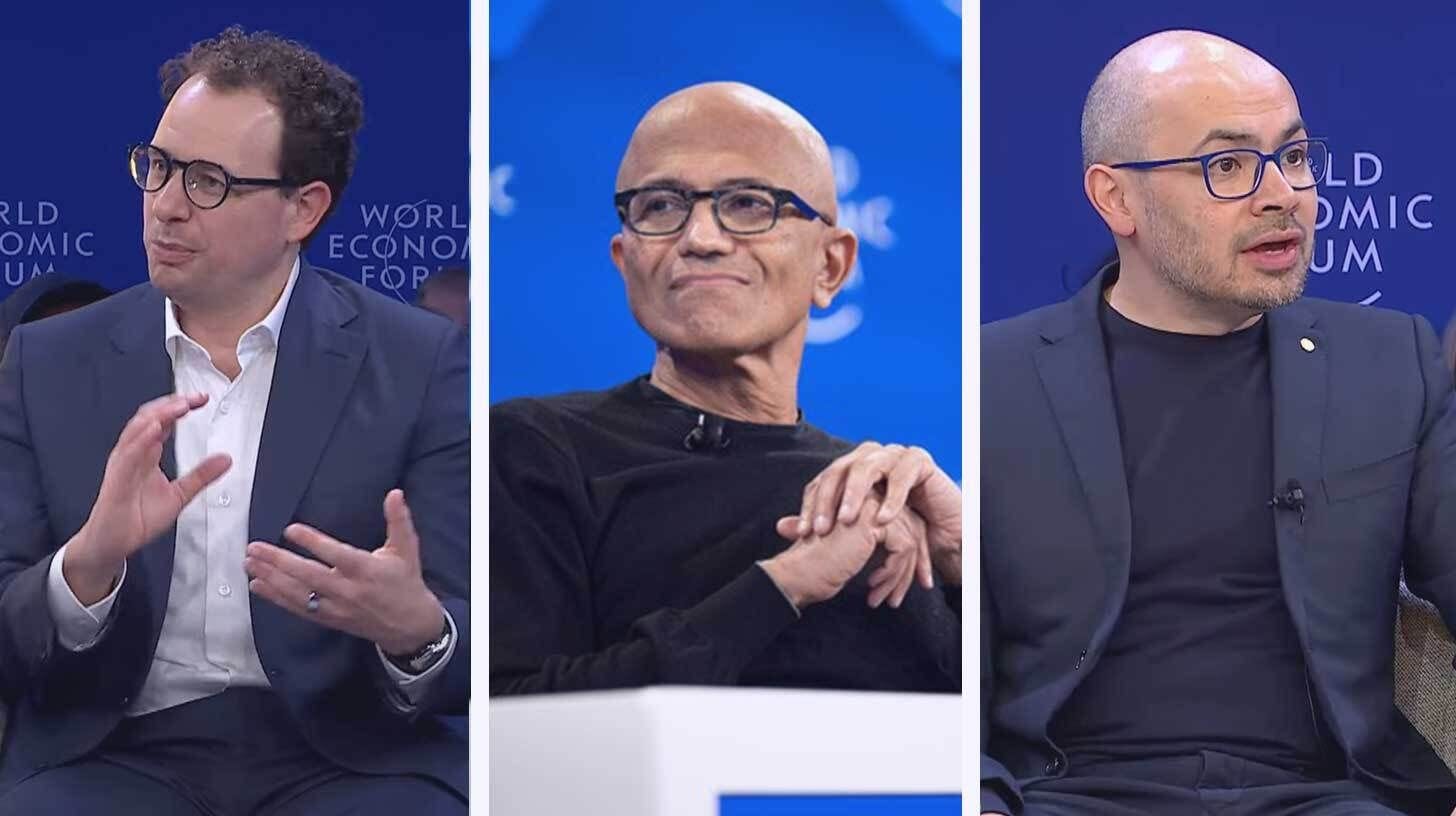
Davos Sends a Clear AI Warning: Adapt Faster or Fall Behind
The World Economic Forum opened this week in Davos with AI dominating the agenda, and industry leaders were unusually blunt about what’s coming next.
The signals:
Anthropic CEO Dario Amodei slammed recent U.S. policy allowing AI chip sales to China, comparing it to “selling nuclear weapons to North Korea.”
Google DeepMind’s Demis Hassabis predicted AI-driven slowdowns in junior hiring, but argued AI could ultimately create more skills than traditional career paths.
Microsoft CEO Satya Nadella warned that no company can “coast” in the AI era, incumbents that move slowly will be “schooled by someone small.”
Amodei added that we may be just 6–12 months away from models that can perform most end-to-end software engineering tasks.
Why it matters:
Davos conversations are usually abstract. This year wasn’t. Amodei’s timeline for full AI-driven coding compresses the disruption window dramatically. Between geopolitics, labor shifts, and software automation, the message from AI’s top leaders is clear: adaptation timelines are shrinking fast.
A $480M Seed Round Bets on “Human-Centric” AI
A new startup founded by researchers from Anthropic, xAI, and Google just raised $480M at a $4.48B valuation, before shipping a product.
The details:
The company, Humans&, is building AI designed to coordinate people, not replace them, more like an intelligent group chat than an autonomous agent.
Co-founder Andi Peng left Anthropic over its heavy focus on autonomy, noting the lab often highlighted models running “for 8, 24, 50 hours by themselves.”
The founding team includes Google’s seventh employee Georges Harik, former xAI researchers from Grok, and Stanford professor Noah Goodman.
The round was led by SV Angel, with participation from Nvidia, Jeff Bezos, and GV.
Why it matters:
A $4.48B valuation for a three-month-old company is extreme, but it shows how much investors value frontier-lab pedigree. The “human-in-the-loop” framing pushes back on full autonomy narratives, though similar positioning has come (and gone) from major labs before. Execution will matter more than philosophy.
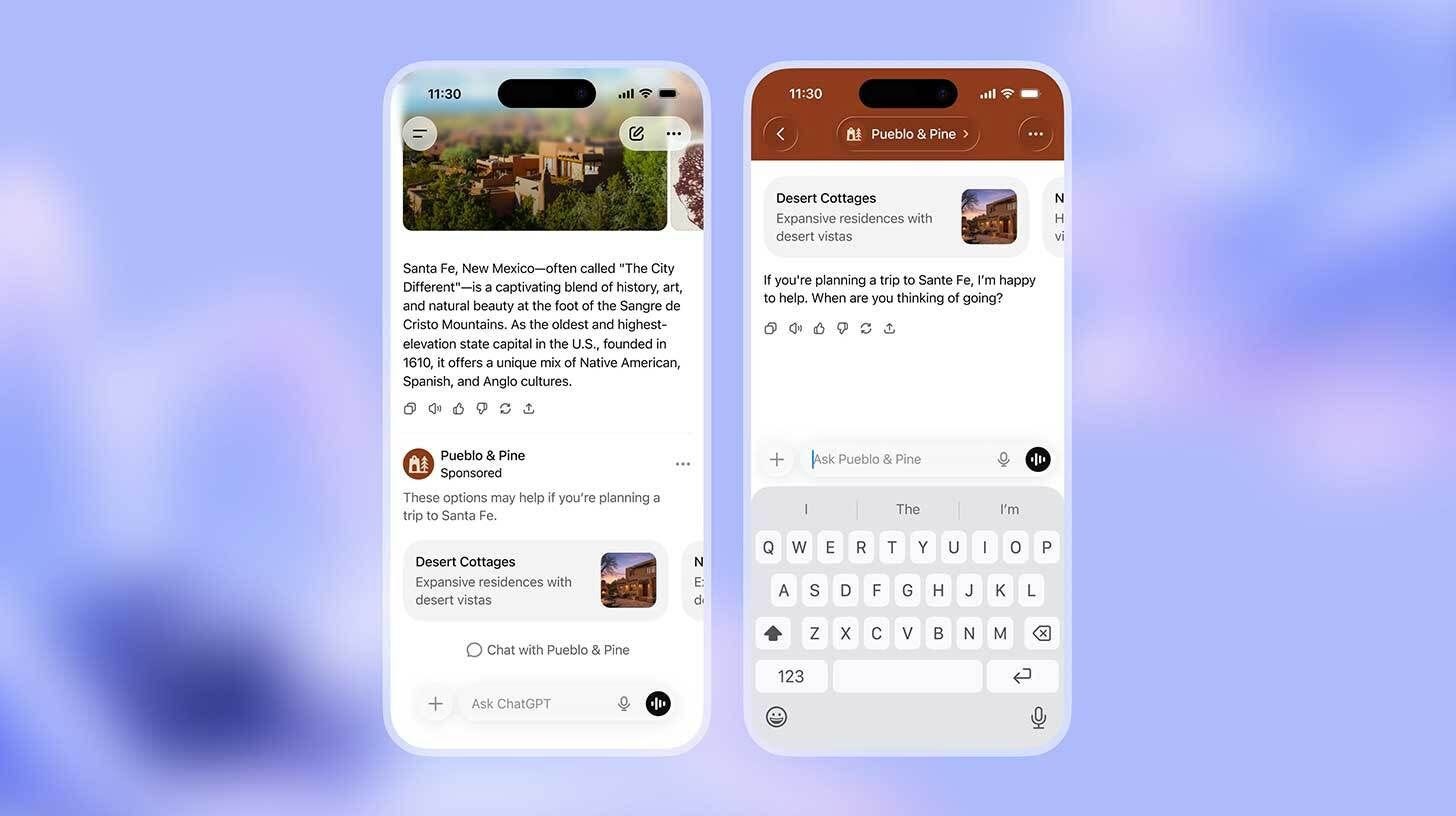
OpenAI Moves Toward Ads Inside ChatGPT
OpenAI announced it will begin testing targeted ads in ChatGPT for free and Go-tier users in the U.S. marking a major monetization shift as the company gears up for a potential 2026 IPO.
What’s changing:
Ads will appear as “Sponsored Recommendations” below responses.
Targeting will be based on conversation context, with exclusions for health, politics, and under-18 users.
The $8/month ChatGPT Go tier launched globally with ads included.
Plus, Pro, Business, and Enterprise tiers remain ad-free.
OpenAI says it will not sell user data or allow ads to influence model responses.
Why it matters:
Leadership messaging around ads has been inconsistent, but the writing has been on the wall since OpenAI’s recent executive hires. Ads inside AI assistants are a slippery slope and how OpenAI executes here may set the standard (or the backlash) for the entire industry.
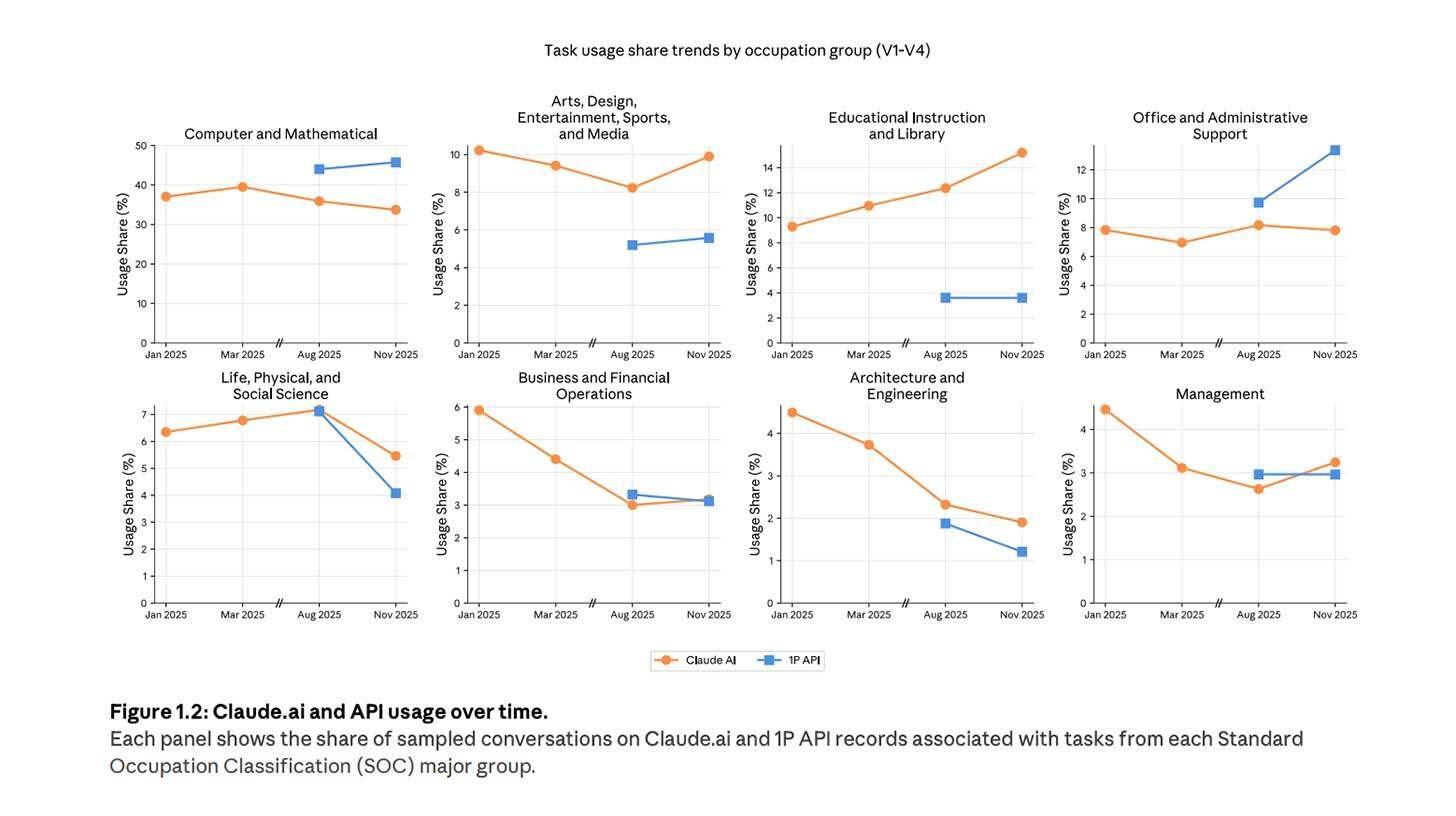
Anthropic’s Data Shows AI Is Still Mostly Augmenting Work
Anthropic released its fourth Economic Index, analyzing 2M Claude conversations and the results suggest AI is still more collaborator than replacement.
Key findings:
AI handles roughly 25% of tasks in nearly half of all jobs.
Full role replacement remains rare, occurring in under 10% of firms.
Tasks requiring high-school skills are completed 9× faster with AI; college-level tasks see 12× speedups.
Claude’s success rate now reaches 50% on tasks lasting up to 19 hours.
Coding remains the top use case, but augmentation (learning, feedback, iteration) has overtaken pure automation.
Why it matters:
The data doesn’t support mass job replacement yet. The real risk sits with junior talent. If AI absorbs the entry-level work that traditionally builds experience, entire career pipelines may need to be redesigned from the ground up.
Audio-First AI Video Arrives
Creative platform Lightricks just launched an Audio-to-Video feature that flips the AI video workflow on its head.
What’s new:
Users can start with voice, music, or sound effects then generate video to match.
Motion, lip sync, and camera work align directly with uploaded audio.
Inputs include file uploads, live recording, or built-in text-to-speech.
The model understands rhythm and pacing, enabling music videos and beat-matched visuals.
Lightricks calls this “the third paradigm” of AI video generation.
Why it matters:
Starting with sound unlocks entirely new creative workflows. Instead of forcing dialogue onto visuals, creators can now build around existing audio assets. As raw video quality plateaus, consistency, control, and customization are becoming the real differentiators.