

Welcome to this week’s edition of AImpulse, a five point summary of the most significant advancements in the world of Artificial Intelligence.
Here’s the pulse on this week’s top stories:
Anthropic Releases Claude Fable 5
What’s Happening
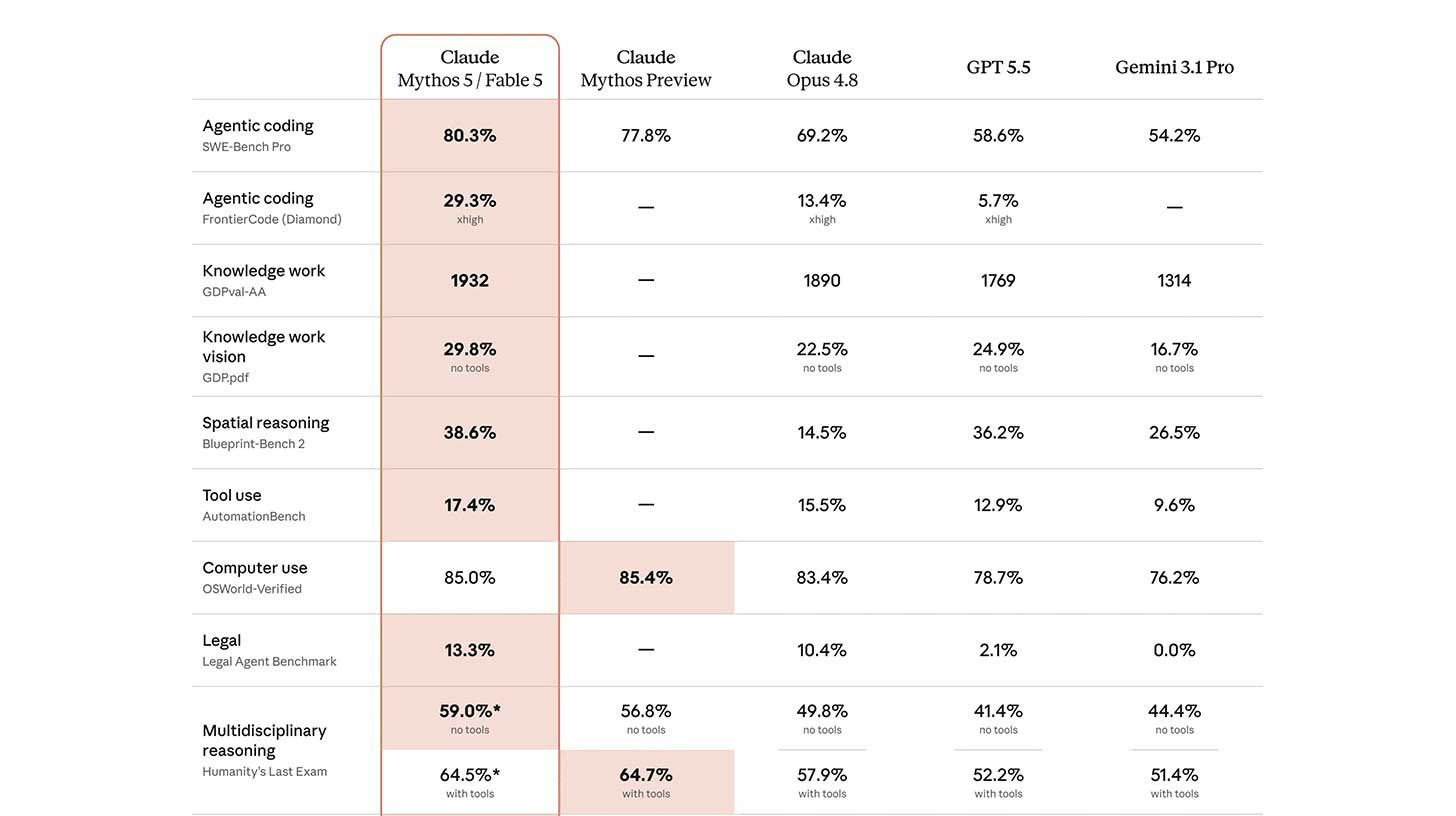
Anthropic released Claude Fable 5, opening access to its top Mythos-tier model family to the public for the first time. The model arrives with stronger restrictions than the original Mythos Preview but appears to deliver state-of-the-art performance across most major AI benchmarks.
Details
The original Mythos Preview launched in April through Project Glasswing and was limited to 150+ vetted partners.
Fable is a more restricted public version of Mythos, with sensitive topics like cybersecurity, biology, and chemistry routed to Opus 4.8 instead.
Anthropic says Fable outperforms Opus 4.8 and GPT-5.5 across coding, reasoning, knowledge work, and other benchmarks.
Mythos 5 is also rolling out to Project Glasswing partners, offering less restrictive cybersecurity use at lower cost than Mythos Preview.
Fable is available across all Claude subscription tiers until June 22, after which it moves to separate usage credits priced at $10 per million input tokens and $50 per million output tokens.
Why It Matters
Every AI lab claims its newest model is the best in the world, but Fable/Mythos appears to have won rare outside validation from the broader AI community. The bigger question now is whether Anthropic can balance performance, access, cost, and restrictions once the June 22 pricing shift takes effect.
Apple Unveils Siri AI at WWDC 2026
What’s Happening
Apple opened WWDC 2026 with a major AI reset, rebranding its assistant as Siri AI. The launch comes two years after Apple Intelligence’s initial rollout, which generated significant expectations but largely failed to match frontier AI products.
Details
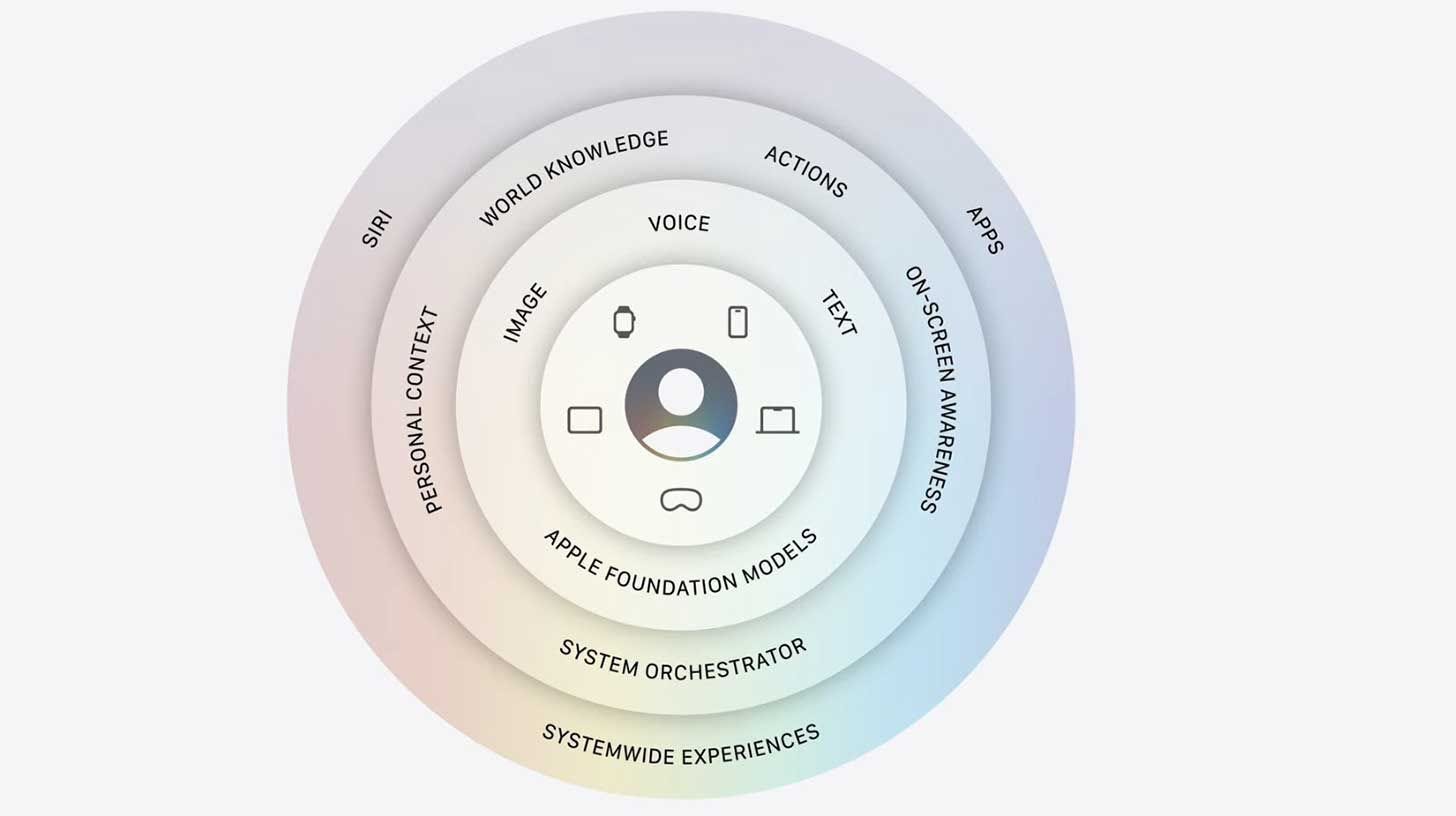
Siri AI is powered by Apple’s own models, developed in collaboration with Google’s Gemini technology but distinct from Google’s consumer-facing Gemini models.
The assistant can understand on-screen content, pull context from apps like Photos and Messages, and take systemwide actions across apps.
Apple is launching a dedicated Siri AI app that functions as a chatbot hub and stores prior conversations privately across devices.
Apple emphasized privacy, with requests processed either on-device or through Private Cloud Compute without saving user data.
Siri AI will arrive as a free fall update for iPhone 15 Pro and newer devices, with a public beta next month and no EU or China launch at release.
Why It Matters
For mainstream iPhone users with limited AI exposure, Siri AI could feel like a meaningful upgrade. But compared with frontier LLMs, Apple’s demos still appeared behind the curve, making the rollout feel more incremental than transformative.

OpenAI Defines Its “Third Phase”
What’s Happening
OpenAI CEO Sam Altman and chief scientist Jakub Pachocki published a new blog post titled “Built to benefit everyone.” The post frames OpenAI as entering a “third phase” as AI moves from research breakthrough to product adoption to broad economic transformation.
Details
OpenAI outlined three major goals: automating AI research, accelerating economic growth, and giving everyone access to “a personal AGI.”
The company stressed that fully automating everything is not its desired future, saying AI should help people pursue their goals rather than replace human agency.
OpenAI described its current phase as one where the economy itself is being reshaped around AI.
The post also proposed a global coordination body that could restrain or pause frontier AI development when necessary.
The proposal follows a similar call from Anthropic last week, suggesting growing alignment among top AI labs on governance risks.
Why It Matters
The post echoes the same existential and governance concerns raised by Anthropic, including the possibility of pause scenarios. Seeing this language from two leading AI labs makes the next wave of model releases, including potential Mythos and GPT-5.6 launches, feel especially consequential.

White House and OpenAI Discuss Public Equity Stake
What’s Happening
The White House and OpenAI are reportedly discussing a potential U.S. government equity stake in the company. The shares could feed into a “Public Wealth Fund” designed to give Americans direct exposure to the financial upside of the AI boom.
Details
Axios reported that backers have discussed a 1–5% government stake in OpenAI.
The idea is far smaller than Senator Bernie Sanders’ proposed one-time 50% stock tax on major AI labs.
Sam Altman reportedly met with both Sanders and Trump officials last week to discuss the concept, which also appeared in OpenAI’s April policy paper.
President Donald Trump described the idea as a potential partnership with the American public.
Former U.S. AI czar David Sacks criticized the proposal, warning it could accelerate corporate-government fusion.
Why It Matters
The idea of spreading AI wealth to the public is politically powerful, especially as public skepticism toward AI continues to rise. But a government that owns, profits from, and regulates a leading AI company would create obvious conflict-of-interest concerns unless the structure is extremely clear and accountable.
OpenAI Plans Major ChatGPT Superapp Revamp
What’s Happening
OpenAI is reportedly preparing its largest ChatGPT redesign yet, with a launch expected in the coming weeks. The revamp would turn ChatGPT into a broader agent-and-coding “superapp” aimed at moving its nearly 1 billion users toward paid products ahead of a potential IPO.
Details
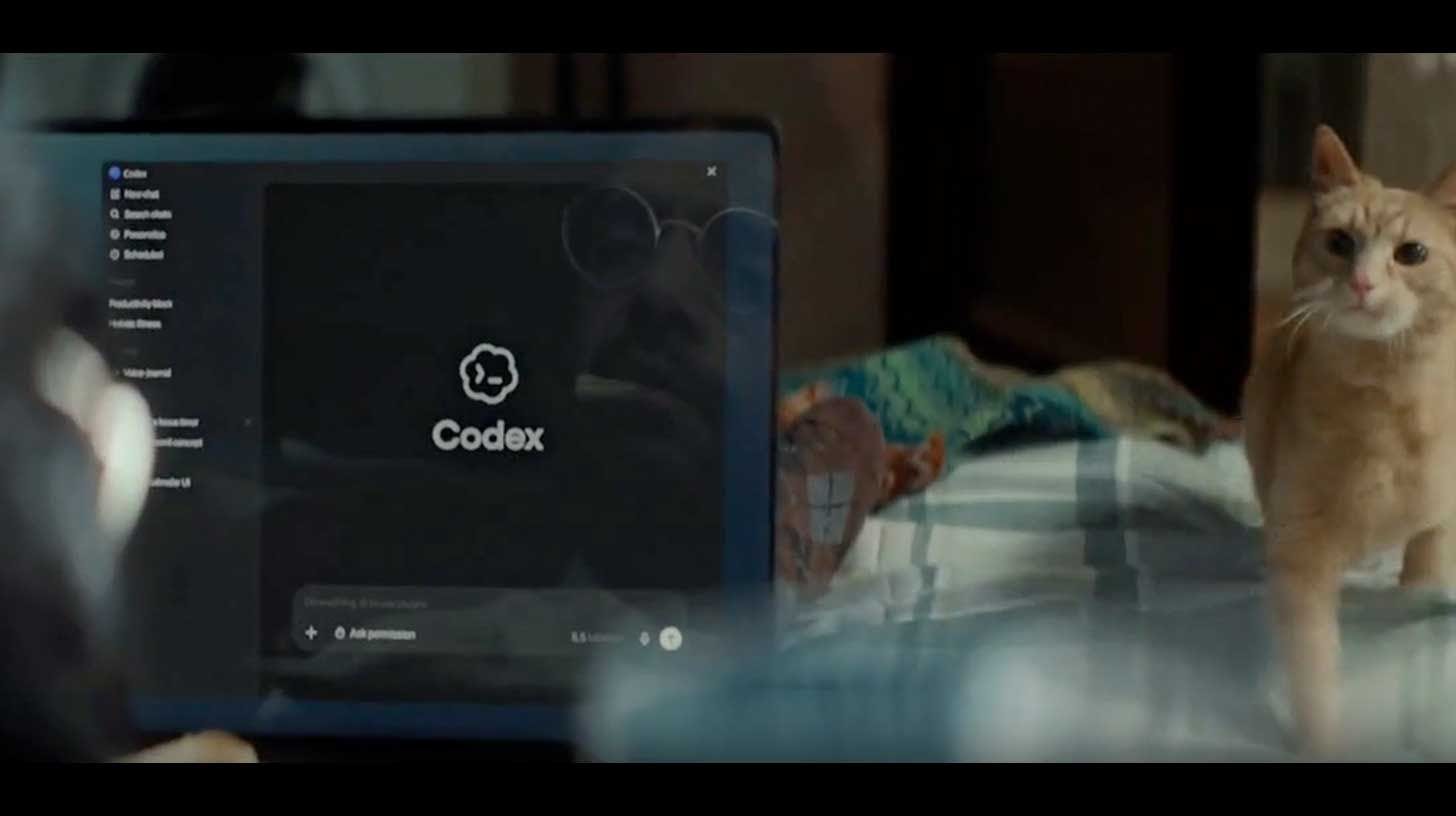
The redesign is expected to prioritize Codex, OpenAI’s agentic coding platform, with one senior OpenAI figure reportedly saying, “Chat is dead.”
OpenAI plans to combine coding, image generation, third-party apps, and agent workflows into a single interface.
The company recently released a new TV ad with the tagline “It’s time to fly,” emphasizing Codex and AI agents over traditional chatbot use.
Codex users have reportedly grown 6x since February, reaching more than 5 million.
The broader strategy appears focused on converting more users, especially business users, into paying customers before an IPO.
Why It Matters
Anthropic found its breakout product in Claude Code, then tried to broaden that momentum through Cowork. OpenAI appears to be following a similar path with Codex, using ChatGPT’s massive consumer base as the funnel into higher-value agentic coding and productivity workflows.